Exploring the Round Top Bar Table: A Comprehensive Guide

Intro
Round top bar tables offer a unique blend of style and practicality, making them a popular choice in both homes and offices. Ideal for social gatherings or as focal points in a workspace, these tables can elevate the ambiance of any environment. Understanding the intricacies of these tables not only enhances their decorative appeal but also aids in making informed decisions when selecting one for your space.
This guide will explore the various furniture styles, ergonomic solutions, and functionality considerations surrounding round top bar tables. By dissecting these aspects, we aim to provide insights tailored specifically for designers, managers, and architects, allowing them to appreciate and utilize these tables more effectively.
Furniture Styles
Modern vs. Traditional: Key Characteristics and Benefits
When it comes to round top bar tables, styles can be broadly categorized into modern and traditional designs.
Modern designs often emphasize clean lines, minimal ornamentation, and the use of materials like metal and glass. These tables tend to fit seamlessly into contemporary settings and evoke a sense of sophistication. A table made of tempered glass with a sleek metal base can be an eye-catching centerpiece while keeping the environment feeling airy.
On the flip side, traditional styles boast ornate features, such as rich wooden finishes and intricate carvings. These tables resonate with timeless elegance and provide a classic look that can warm up a space. For instance, a round mahogany table with turned legs may be perfect in a rustic dining area or a vintage-inspired office, serving as a reminder of craftsmanship.
When choosing between modern and traditional, consider not just aesthetics but functionality as well. Each style offers distinct advantages: modern designs are generally lighter and easier to move, while traditional pieces might provide more stability and an enduring charm.
Exploring Minimalist Design: Tips for a Clean Workspace
Minimalist design is about paring down to essentials while maintaining functionality—making it a perfect fit for round top bar tables. A minimalist approach can transform a cluttered workspace into an area of focus.
- Choose Simple Lines: Look for tables with smooth edges and straightforward structures. These make a space feel organized and intentional.
- Less is More: Avoid overcrowding your tables with accessories. A single decorative piece or plant can create a focal point without overwhelming the senses.
- Neutral Colors: Opt for tables in muted tones like white, gray, or natural wood. These colors can blend seamlessly with numerous decors.
- Smart Layout: Position the table to encourage flow. It shouldn’t block pathways or clutter tight spaces; instead, it should invite movement.
A well-placed round top bar table can enhance social interaction in a workspace, promoting collaboration and creativity.
Ergonomic Solutions
Importance of Ergonomic Furniture in Preventing Health Issues
Ergonomics plays a vital role in workplace comfort. A round top bar table can contribute to this when paired appropriately with suitable seating. Sitting too long or in awkward positions can lead to stress on the body, resulting in discomfort or even chronic pain.
To create an ergonomic setup:
- Ensure the height of both table and stools match individual needs.
- Provide sufficient foot support and backrest options to encourage good posture.
Top Ergonomic Furniture Options for Home Offices
For those looking to optimize their home office environment, incorporating ergonomic furniture alongside your round top bar table is crucial.
Recommended solutions include:
- Adjustable stools: These can accommodate varying heights, which is especially useful in a home setting where multiple people might use the space.
- Anti-fatigue mats: If standing at your bar table, these mats can provide support and reduce stress on your legs and back during prolonged use.
Integrating these ergonomic solutions not only enhances comfort but also contributes to productivity, allowing for longer and more efficient work sessions.
By taking these factors into account—from style choices to ergonomic needs—you can make informed decisions that elevate both aesthetic appeal and functional utility in your workspace.
Prologue to Round Top Bar Tables
Round top bar tables possess a charm that bridges elegance and utility, making them a staple in modern interior design. The growing popularity of these tables reflects a shift toward flexible, multifunctional spaces where style meets comfort. As homes and offices evolve into settings that demand both aesthetics and functionality, round top bar tables emerge not just as furniture pieces, but as pivotal elements that enhance social interactions and workspace dynamics.
Definition and Characteristics
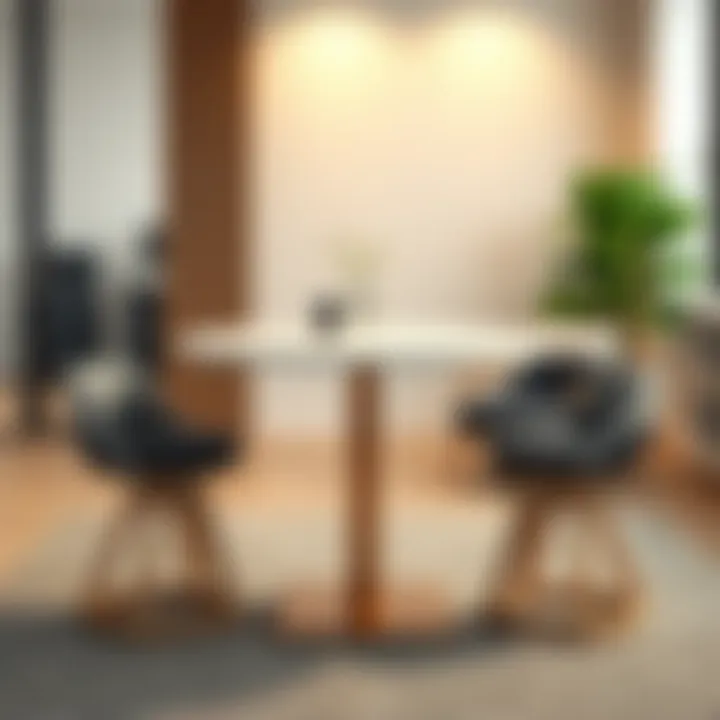
At its core, a round top bar table is a table with a circular surface, typically at a height suited for bar stools. This design adds an air of informality and approachability compared to rectangular tables, which can appear more rigid. The round shape facilitates easier conversation, breaking down barriers between individuals and promoting a sense of unity, whether in a bustling office break room or a cozy home kitchen.
Key characteristics include:
- Height Variation: Standard bar height ranges from 28 to 36 inches, allowing for various seating options.
- Shape Benefits: The absence of corners enhances flow and movement around the space.
- Materials and Finishes: Available in an array of materials like wood, metal, and composite, providing durability and style to match any decor.
A round top bar table integrates seamlessly into various designs, serving a multitude of functions—ranging from a quick breakfast spot to an informal meeting area.
Historical Context
The origins of bar tables trace back to social dining concepts that gained prominence in taverns during the 18th century. A time when communal gathering was paramount, these tables encouraged customers to engage more freely. The round design specifically flourished as it promoted camaraderie amongst patrons.
As times changed, so did the materials and styles of these tables. In the mid-20th century, with the rise of mid-century modern design, round top bar tables experienced a resurgence as designers began to focus on minimalism and functionality.
Today, they stand as a nod to those historic roots, yet embody the innovations of contemporary furniture design, ranging from sleek, minimalistic forms to more intricate, artistic interpretations. Understanding the historical significance helps in appreciating the modern applications and the value they bring to our living and working environments.

Design and Aesthetics
The design and aesthetics of round top bar tables play a critical role in enhancing the overall ambiance and functionality of a space. It is not just about having a table that fits; it's about choosing one that resonates with the mood and style of the area where it will be placed. The interplay of style, materials, and colors can either bring harmony or disrupt the visual narrative of a room. An aesthetically pleasing round top bar table adds character, promotes a sense of gathering, and can often serve as a centerpiece in social settings. The thoughtful selection of a round top bar table can greatly influence interior flow and usability.
Styles of Round Top Bar Tables
Modern Minimalist
The modern minimalist style emphasizes simplicity and clean lines. This approach contributes significantly to contemporary design by creating an uncluttered and polished look. A key characteristic of modern minimalist round top bar tables is their sleek silhouettes, often made from materials like glass or light-colored woods that convey airiness and spaciousness. This style is favored by those looking for elegance without excess.
Unique features include open bases or unobtrusive designs that ensure the table encourages interaction and socializing without overwhelming the surrounding decor. While minimalism is aesthetically pleasing, it can come with the disadvantage of being easily marked or stained, requiring more frequent care to maintain its pristine appearance.
Industrial Design
Industrial design takes cues from factory aesthetics, featuring raw elements and unfinished looks. This style's contribution to the overall décor is profound, as it integrates vintage and rustic charm into modern spaces. The key characteristic here is the use of materials such as reclaimed wood, metal parts, or concrete bases, which impart an edgy feel to the table design.
The unique feature of industrial round top bar tables often includes exposed seams and non-polarizing colors, making them versatile across various environments. However, they can sometimes be seen as too harsh or cold, depending on the setting, which may deter those who prefer more warmth in their furnishings.
Traditional Styles
Traditional styles are rooted in classic design philosophies, often featuring rich woods, intricate carvings, and ornate details. This style contributes elegance and a sense of history to any environment. Its key characteristic is the warmth and comfort it exudes through shades of wood and soft fabric seating that often accompanies such tables.
Unique elements might include turned legs or decorative accents that tell a story of craftsmanship. While traditional styles are beloved for their charm, they can clash with more contemporary design choices, requiring careful consideration when integrating into modern homes or offices.
Contemporary Options
Contemporary styles encompass current design trends that might not strictly adhere to one particular style, borrowing from various influences. This flexibility makes contemporary round top bar tables particularly appealing for modern spaces. The key characteristic is adaptability, meaning they can incorporate a mix of colors, shapes, and materials tailored to the owner's tastes.
Features like bold colors or interesting shapes can provide a striking visual impact. While this style offers freedom of expression, it can sometimes lead to design mismatches in historically styled homes or offices if not chosen thoughtfully.
Color Palettes and Finishes
Natural Wood Finishes
Natural wood finishes highlight the unique grains and textures of the wood while promoting an organic feel in any space. The charm of authentic wood can significantly contribute to a table's appeal, as every piece tells its own story through its natural variations. A key characteristic of natural wood finishes is their ability to blend seamlessly with various styles, from rustic to modern.
Unique attributes include the capacity for refinishing or staining, allowing customization over time. On the downside, exposure to moisture may require careful maintenance to prevent warping or damage.
Painted Options
Painted finishes provide an opportunity to infuse color and personality into round top bar tables. The contribution of painted options to design is vast, as these can accentuate colors in a room or serve as focal points. A key characteristic is the ease of matching with existing decor through myriad hues.
The unique feature of painted tables often lies in their ability to transform a plain table into a statement piece. However, paint can chip or wear, necessitating regular touch-ups to maintain their appeal, particularly in high-use areas.
Metallic Accents
Metallic accents in round top bar tables add sophistication and modern allure, allowing for a blend of traditional and contemporary styles. The contribution of this feature to the overall design lies in its ability to catch the light and draw the eye. The key characteristic of metallic accents is their reflective quality, which can enhance the perception of space, making rooms feel larger.
Unique features such as brushed nickel or copper elements can lend a chic edge to the table. Yet, while appealing, metallic surfaces can also be prone to fingerprints and scratches, requiring careful cleaning protocols to keep them looking pristine.
As you explore options for round top bar tables, consider both aesthetic value and practical implications of style and materials to make the best fit for your environment.
Material Considerations
When choosing a round top bar table, the choice of material plays a pivotal role in its overall utility, aesthetic appeal, and durability. Different materials carry distinct characteristics that affect everything from the table's longevity to its compatibility with various design styles. By understanding the strengths and weaknesses of each material type, designers and homeowners can make informed decisions that align with their needs and preferences.
Types of Materials Used
Wood
Wood is a classic and timeless choice for round top bar tables, known for its warmth and natural beauty. One of its standout characteristics is the rich variety of grain patterns and colors that come with different wood species, such as oak, walnut, or cherry. Being a solid and sturdy material, wood provides excellent stability, which is crucial for a bar table that sees regular use. Its adaptability to various styles, from rustic to modern, makes it a beneficial option for many settings.
The unique feature of wood is its ability to age gracefully, often developing a noteworthy patina over time. However, wood is not without its drawbacks. It can be prone to scratches and water damage, requiring regular maintenance to keep it looking its best. Particularly in environments like cafes or homes with young children, it's essential to treat wood surfaces with protective coatings to extend their lifespan.
Metal
Metal offers a sleek and contemporary aesthetic, making it a popular choice for modern bar tables. Known for its strength and durability, metal can withstand the rigors of everyday use without warping or breaking. Different finishes—like brushed steel or powder coating—add unique visual elements, allowing for significant creative expression in design.
A distinctive feature of metal tables is their lightweight nature, enabling easy rearrangement which is especially beneficial in social settings or small spaces. On the flip side, metal surfaces can become cold and uninviting, and if not properly treated, they can be susceptible to rust or corrosion, particularly in humid environments.


Glass
Glass round top bar tables provide an unmatched elegance and a modern twist, creating a sense of openness in any space. Its defining characteristic is its transparency, which allows light to flow through, making areas appear larger and brighter. Glass tables can be paired with a variety of bases—wood, metal, or composite—giving them flexibility in design.
One unique aspect of glass tables is their ease of cleaning; spills and stains can be wiped away effortlessly, making them practical for busy bar settings. However, glass does come with its own challenges; it can be easily scratched and is prone to shattering if subjected to impact. Thus, using tempered glass is a must for those considering this material, as it offers greater resistance to accidental breaks.
Composite Materials
Composite materials, made from a mixture of different substances, are becoming increasingly popular for round top bar tables due to their versatility and affordability. Often combining wood fibers, plastics, or metal particles, these materials are engineered to offer greater durability than traditional options while being more environmentally friendly.
A notable feature of composite materials is their wide array of finishes, allowing designers to mimic the appearance of wood or stone without the associated costs and maintenance. However, while composite materials might be less expensive, they can sometimes lack the authentic feel and warmth that traditional materials provide, leading to a less inviting atmosphere.
Sustainability in Material Selection
As awareness about environmental issues grows, sustainability in material selection is becoming a focal point. Choosing sustainable materials not only reduces the ecological footprint but also appeals to consumers looking to make responsible choices. Selecting wood from responsibly managed forests, or using recycled metal enhances a round top bar table's appeal, making it a conscious choice for modern living spaces. Knowing your materials' origins can contribute to a more sustainable future and affirm your commitment to eco-friendly design.
Functionality and Ergonomics
Understanding the functionality and ergonomics of round top bar tables is key for designers and managers aiming to maximize both comfort and utility in any setting. The right bar table is more than just a piece of furniture; it serves as a gathering point, a workspace, and sometimes even a dining solution. This makes its design critical—not only for aesthetic appeal but also for the overall experience of the user.
Height and Size Considerations
A crucial aspect of functionality is the height and size of the round top bar table. Ideally, these tables should match the intended use and the surrounding environment. The standard height for bar tables is generally between 40 and 42 inches, making them suitable for bar stools, which typically range from 28 to 30 inches in seat height.
When selecting a table, consider the following:
- Table Diameter: The diameter should accommodate the number of people intended to use it. A 30-inch table can comfortably seat two people, while a 60-inch table can serve up to six.
- Room Dimensions: Ensure there is enough space around the table for movement and serving. A minimum of 36 inches around the table can help avoid cramped quarters.
- Stool Height: Choosing stools that complement the table height fosters comfort and encourages longer use. Placing a footrest can also enhance comfort by allowing for better posture.
Ergonomic Benefits
Ergonomics in bar table design goes beyond just height considerations; it's about crafting an environment that promotes well-being and efficiency. A properly sized round top bar table can drastically reduce physical strain.
Examples of ergonomic advantages include:
- Posture Support: A correctly proportioned table enhances posture. People tend to slouch or strain when their seating and table heights are mismatched, leading to discomfort over time.
- Accessibility: These tables should be easy to access for all individuals, including those with mobility challenges. Round tops often allow for easier movement, as there are no sharp corners to navigate.
- Flexibility in Usage: Round top tables can function in various ways—dining, workspace, or social hub—making them adaptable and functional in smaller spaces.
Ergonomics is not just about comfort; it’s about creating an environment that enhances productivity and enjoyment.
In summary, understanding the height and size of round top bar tables, along with their ergonomic benefits, is essential for designers, managers, and owners. Making informed choices on these aspects ensures that the tables serve their purpose well in a variety of settings, from cozy home kitchens to bustling cafes.
Placement and Space Utilization
Placement and space utilization are pivotal when considering the round top bar table. This piece of furniture isn't just about style; it also greatly affects the functionality and flow of any given space. For homeowners and business professionals alike, understanding how to place a round top bar table can enhance social interactions, accessibility, and overall comfort. An efficiently used space can make even the smallest area feel inviting and user-friendly.
Optimal Settings for Round Top Bar Tables
Home Kitchens and Dining Areas
In a home kitchen or dining area, the round top bar table serves as a cozy gathering spot for family meals or casual hangouts with friends. One of the distinct advantages of this setting is how the circular shape promotes conversation, ensuring that everyone feels included. Moreover, it fits snugly in tighter corners or smaller dining spaces, allowing maximum space efficiency.
A notable feature of round top tables in these contexts is their versatility; they can easily blend with both modern and traditional decor. In terms of functionality, this adaptability makes them a popular choice. However, one must be cautious of the limited surface area compared to rectangular options, potentially hindering larger family gatherings.
Office Break Rooms
Moving to a more corporate setting, round top bar tables can liven up office break rooms. The informal yet stylish nature invites employees to take breaks together, fostering teamwork and collaboration. In offices with open layouts, the presence of these tables creates pockets of community, breaking down barriers often created by cubicles.
The key characteristic here is the ability of these tables to encourage connectivity among staff. They provide solutions for both casual meetings and quick coffee breaks, making them a valuable addition to workplace environments. A possible disadvantage may arise in terms of size—fitting this kind of table in a cramped break room might pose challenges, requiring careful measurements.
Bar Areas and Cafes
Bar and cafe settings showcase round top bar tables in their finest light, truly emphasizing their purpose. These settings utilize the table's shape to harness versatility. They are convenient for patrons looking for a quick drink at the bar or a casual social experience while dining. The dynamic allows for quicker service and fosters a vibrant social atmosphere, vital for nurturing customer engagement.
The distinct feature here is the ability to stack or move these tables, allowing for flexibility during special events or peak hours. Such adaptability is crucial to maximizing space utilization while still maintaining a lively environment. However, one must consider the table's stability in crowded settings, ensuring that it can withstand the hustle and bustle of a busy night without tipping over.
Tips for Maximizing Space
To ensure effective space utilization with round top bar tables, consider the following:
- Measure Carefully: Always measure the area where you plan to place the table. Consider surrounding furniture and ensure there’s adequate walking space.
- Select Adjustable Heights: Tables with adjustable heights can serve multiple functions and settings, adapting to various crowd sizes.
- Use Multi-Functional Pieces: Opt for bar tables that come with storage options. This will help keep the space tidy while maximizing utility.
- Incorporate Wall Features: Utilizing wall space for decor or shelving can free up floor space, making the area feel less cramped even when the table is placed.

By integrating these strategies, one can ensure that the round top bar table delivers not just aesthetic appeal but also functional benefits to any space.
Current Trends in Round Top Bar Tables
Current trends in round top bar tables reflect a significant shift towards customization and user-centric designs. In today’s fast-paced world, furniture isn’t just functional anymore; it’s a canvas for personal expression and lifestyle alignment. People are looking for pieces that not only fit their space but also resonate with their day-to-day lives.
The incorporation of bold colors, unique materials, and innovative features creates exciting opportunities for designers and consumers alike. As tastes evolve, certain elements gain traction—foreshadowing emerging design philosophies that are both practical and aesthetically pleasing.
Innovative Design Elements
One cannot talk about current trends in round top bar tables without mentioning the innovative design elements paving the way for modern aesthetics. Designers are stepping away from traditional shapes and materials, opting instead for forms that blend sculptural appeal with functionality. For instance, rounded edges and asymmetrical bases reflect a contemporary look that resonates with urban living.
Focusing heavily on sustainability, many are choosing eco-friendly materials, ensuring their selections have the least environmental impact. Products made from bamboo and reclaimed wood are not only sturdy but also add a rustic charm, capturing both hearts and minds. This fusion of style and substance creates a compelling argument for choosing these modern variants over conventional alternatives.
Integration with Technology
In the quest for versatility, round top bar tables now embrace integration with technology more than ever. As people juggle work and leisure, having a table that supports both functions is a top priority for modern users.
Built-In Charging Stations
One standout aspect is the introduction of built-in charging stations. This feature harmonizes with the increasingly tech-driven lifestyles of consumers. By embedding USB ports or wireless charging pads right into the tabletop, designers ensure that users can effortlessly recharge their devices while enjoying a beverage.
The key characteristic of built-in charging stations is their seamless integration into the design, eliminating the clutter of wires and external chargers. Such convenience has made them a widely accepted option among homeowners and business environments alike. However, the installation of these features might require some forethought during the selection phase, to ensure compatibility with existing setups.
Smart Surfaces
Smart surfaces are another wave of integration that’s worth discussing. These innovative materials come equipped with tech capabilities that go beyond basic functionality. For example, some high-end tables can change color based on ambient lighting, adapting to different moods or seasons.
The unique feature of smart surfaces lies in their interactivity. With them, tables can become even more than a place for gatherings; they can evoke experiences through lighting and tactile responses. While some users find such features enticing, others may see them as unnecessary indulgences. It’s an area that marries technology with artistry, reshaping perceptions of what a bar table can be.
"The right bar table is more than decoration; it’s a hub of activity, conversation, and ideas—a true centerpiece for modern life."
As trends continue to evolve, professionals in design and management sectors must stay attuned to these advancements. Understanding the dynamics of user preferences and technological integration not only enhances selection criteria but also fosters a better connection between consumers and their living spaces. For a thorough insight into more on this topic, consider exploring resources at Wikipedia or Britannica.
Maintaining and Caring for Round Top Bar Tables
Maintaining and caring for round top bar tables is not just about aesthetics; it's a matter of preserving the investment you’ve made in your furniture. These tables often become focal points in both homes and offices, so ensuring they stay in prime condition reflects on your overall design sensibility. Taking the time to maintain these pieces can extend their lifespan, keeping them looking fresh and functional for years to come. This section will cover practical steps and considerations needed to ensure your round top bar table remains in tip-top shape.
Cleaning Tips
When it comes to cleaning round top bar tables, simplicity is key. Regular maintenance can prevent the build-up of dirt and grime, which can cause long-term damage if left unattended. Here are some fundamental tips to keep in mind:
- Use a Soft Cloth: A microfiber or soft cotton cloth will do wonders. Harsh materials can scratch the surface, especially on wood or glass finishes. A gentle approach prevents unnecessary wear.
- Mild Cleaning Solutions: Opt for a mixture of warm water with a splash of dish soap or a specialized wood cleaner. Avoid bleach or high-acid solutions which can damage the finish. With a lightly dampened cloth, wipe the table surface in a circular motion, being careful not to soak the material.
- Dry Thoroughly: Once cleaned, make sure to dry the table completely. Leaving moisture can encourage warping or mold in wooden tables, while condensation on glass can make the surface slippery.
- Routine Maintenance: Establish a regular cleaning schedule, perhaps once a week for daily-use tables, to ensure they stay spotless and appealing.
Repair and Restoration
No matter how well we care for our furniture, wear and tear is inevitable. However, knowing how to handle minor repairs can save you from costly restorations later on. Here are some insights into repairing and restoring round top bar tables:
- Surface Scratches: For minor scratches on wooden tables, using a touch-up marker or wood crayon that matches the table color can do the trick. Buff gently to blend the color into the surrounding area, restoring that smooth surface.
- Chips and Dents: For deeper chips or dents, consider using wood filler. After applying the filler and allowing it to dry, sand it down to a smooth finish. Once sanded, you can stain or paint it to match the original surface.
- Table Leg Issues: If you find that one leg is uneven, you can insert small furniture pads under the shorter leg to stabilize it. In cases where the damage is substantial, consider replacing or reinforcing the leg.
- Refinishing Surfaces: If the finish on your bar table has dulled or become scratched significantly, refinishing could be a worthwhile endeavor. Sanding down the surface lightly and applying a new coat of varnish or lacquer can breathe new life into the piece.
Maintaining your round top bar table not only enhances its visual appeal but also provides functional longevity. An aware owner knows that a little effort can go a long way.
Taking proactive measures in the regular maintenance and repair of your round top bar tables can mean the difference between a piece that fades over time and one that consistently appeals to the eye. For more information on furniture care, you can check Wikipedia or visit dedicated forums like the ones on Reddit.
Adapting these practices will not only keep your table looking great but also make it a lasting legacy in your space.
Epilogue
The significance of selecting a round top bar table cannot be understated in today’s design landscape. As this article has explored, these tables are more than mere furniture pieces; they represent a fusion of style, functionality, and social interaction. Choosing the right one involves considering various elements, from design aesthetics to practical usage and material durability.
Summary of Key Insights
Throughout our journey of understanding round top bar tables, several key insights emerged:
- Versatility: Round top bar tables can seamlessly fit into diverse settings, whether it’s a stylish kitchen, a cozy cafe, or a professional office break room. They enhance the aesthetic appeal while providing a gathering spot for social and work-related interactions.
- Design Variations: The different styles ranging from modern minimalist to traditional offerendless options to align with personal preferences and existing decor.
- Materials Matter: The choice of material impacts not only the durability but also the table's visual appeal. Real wood, metal, glass, and composites all contribute differently to the overall ambiance of a space.
- Practical Considerations: The ergonomic factors such as height and size greatly influence user comfort, making these tables a wise choice for prolonged use.
Understanding these facets equips individuals—be they designers, managers, or architects—with the knowledge to make informed decisions. This ultimately leads to a space that is not just visually attractive but also functional and comfortable.
Final Thoughts on Selection
In closing, it’s essential to approach the decision-making process with a clear perspective. When choosing a round top bar table, reflect on the intended use and the atmosphere you aim to create. Pay attention to details such as the size of the space, the required height for comfort, and how the material harmonizes with existing furnishings.
"A well-chosen round top bar table can transform a mundane environment into a welcoming space, bridging gaps between utility and style."
Consider also how current trends may inspire your choice. Long gone are the days of opting purely for function over form; today, aesthetics play a pivotal role. Whether incorporating innovative elements like built-in charging stations or emphasizing sustainable materials, the choice should resonate with contemporary living.
Rounding out your selection with careful thought will not only elevate your space aesthetically but also foster an environment conducive to connection and creativity. Get your design right, and watch how a simple round top bar table can work its magic.