Motivational Wall Art on Amazon: Transform Your Space
Intro
The workspace should not only be functional but also inspiring. In recent years, motivational wall art has gained traction as a way to breathe life into otherwise dull environments, particularly on platforms like Amazon where the selections are as vast as the internet itself. Knowing how to navigate the myriad of styles, themes, and prices can be daunting, yet it makes all the difference in enhancing productivity and fostering creativity.
When delving into this subject, one can’t overlook how art influences mood, motivation, and even professional outcomes. The right piece of wall art becomes not just decor but a silent mentor, urging you to push your boundaries each day. It's about more than simply finding something pretty; it’s about curating a space that reflects your ideals, goals, and aspirations, while also ensuring practicality within your professional environment.
In this article, we'll explore various styles of motivational wall art, practical tips for choosing the right pieces, and the psychological impact of art on your workspace. Whether you’re a designer seeking inspiration, a manager looking to uplift your team, or an architect enhancing a corporate setting, understanding these elements can guide you in making informed, impactful choices. By the end, readers will have a solid grasp of how to select wall art that not only beautifies their surroundings but also aligns with their professional vision.
Understanding Motivational Wall Art
Motivational wall art is more than just a decorative item for your workspace; it’s an impactful element that can set the tone and inspire creativity. The presence of thoughtfully chosen artwork can turn a lackluster office into a stimulating environment where ideas flourish. What’s the significance of this art? It serves as a daily affirmation, a visual reminder of goals, and often provokes reflection on personal values or aspirations. Understanding this element is essential, especially for designers, managers, owners, and architects who strive to make spaces that are not only functional but also invigorating.
Definition and Purpose
Motivational wall art can be defined as artworks—posters, prints, or illustrations—that carry positive affirmations, quotes, or themes designed to inspire individuals. They’re commonly hung in places where people work or spend significant time, such as offices, coworking spaces, or even home offices. The purpose is simple: to uplift the spirit, stimulate productivity, and foster an encouraging atmosphere.
Consider a piece that reads "Believe in Yourself; You Are Stronger Than You Think." Such art does not merely embellish a wall but instead nudges one toward action, urging the viewer to embrace their potential.
The Psychological Impact of Art
The psychological implications of motivational wall art are profound. Numerous studies indicate that visual stimuli can polish one’s mood and enhance overall well-being. One piece of research published in the journal Psychology of Aesthetics, Creativity, and the Arts reveals a strong correlation between exposure to art and increased productivity; even the colors and design of wall art can invoke various emotional responses.
"Art not only changes an environment; it changes how we feel and act within that environment."
For instance, vibrant colors like yellow and orange are often seen as energizing, sparking enthusiasm and creativity. Simultaneously, art that features calm hues, such as soft blues or greens, can create a serene atmosphere, imparting tranquility to a hectic workspace. This dual nature of motivational art—being both decorative and psychologically beneficial—highlights why understanding its impact is critical in workspace design and personal development.
Popular Styles of Motivational Wall Art
The appeal of motivational wall art is not just in its ability to inspire but also in its variety. Different styles serve distinct purposes and moods, influencing how a space feels. When it comes to choosing the right pieces, grasping the nuances between styles becomes key. This section delves into some popular styles of motivational wall art, offering insights on their importance and how they can benefit any workspace.
Minimalist Designs
Minimalism in art often conveys a potent message through simplicity. The beauty of minimalist designs lies in their clarity. They typically feature clean lines, muted colors, and uncomplicated shapes, which can provide a calm backdrop in a bustling office environment. A well-placed piece, like a simple black-and-white quote on a light wall, can catch the eye without overwhelming the senses.
For those who seek to declutter both physically and mentally, incorporating minimalist art can act as a powerful reminder to focus on what truly matters.
Consider these aspects when exploring minimalist designs:
- Space: They work well in small or large areas without overcrowding.
- Focus: Minimalist art allows the mind to concentrate on the message rather than the visuals.
- Versatility: This style fits seamlessly into various interior themes, enhancing overall design without clashing.
"Art enables us to find ourselves and lose ourselves at the same time." – Thomas Merton
Vintage and Retro Aesthetics
There's something inherently nostalgic about vintage and retro designs that resonate with a broad audience. These pieces evoke a sense of familiarity, often featuring typography or imagery reminiscent of eras gone by. Such art can foster a warm and inviting atmosphere, making the workplace feel more like home. For individuals who appreciate history or design evolution, incorporating vintage styles might serve as a personal touch, linking past inspirations to present aspirations.
When considering vintage and retro aesthetics, keep in mind:
- Character: They often carry stories, sparking conversation among employees and guests.
- Comfort: These styles can create a cozy ambiance that encourages collaboration and creativity.
- Style Interplay: They provide a vintage contrast to modern furniture, adding layers to your workspace's overall aesthetic.
Contemporary Art Trends
Contemporary art trends often break traditional molds. They focus on current themes, emotions, and social issues, reflecting the dynamics of today’s society. Incorporating contemporary wall art not only keeps your office feeling fresh but can also resonate deeply with employees or clients who share those sentiments.
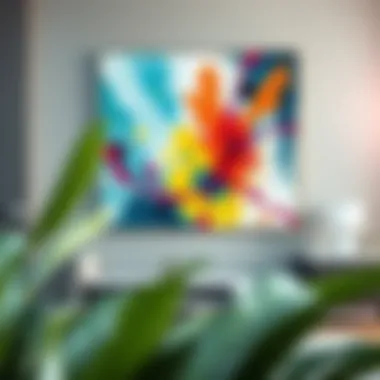
Art movements such as street art, digital art, or conceptual works are gaining traction. Each of these styles challenges viewers and can provoke thought and discussion around the topics they explore.
Key points about contemporary trends:
- Relevance: They often address current events, making them relatable to a modern audience.
- Dynamic: These art forms can shift with trends, keeping the workspace aligned with evolving aesthetics.
- Expression: They encourage the expression of individual thought, fostering an environment where creativity thrives.
When selecting motivational wall art on Amazon, considering these styles can make a significant impact. By understanding the characteristics and influences of minimalist, vintage, and contemporary designs, decision-makers can curate an environment that reflects values and inspires productivity.
Themes in Motivational Wall Art
In the realm of motivational wall art, themes play a crucial role in shaping not only the aesthetic of a space but also its emotional atmosphere. Selecting art based on thematic relevance can significantly enhance the ambiance of a workspace. By aligning the themes of the art with personal or corporate goals, you can cultivate an environment that inspires creativity, boosts productivity, and encourages a positive mindset. This becomes essential not just for visual appeal but for the overall well-being of those who inhabit the space.
Quotes and Sayings
Quotes and sayings are often the backbone of motivational wall art. They serve as daily reminders to strive for excellence and overcome obstacles. Think of phrases like "Believe you can and you're halfway there" or "Success is not the key to happiness. Happiness is the key to success." These words resonate on various levels, connecting with individuals in unique ways.
The power of a well-placed quote can transform a mundane wall into a source of inspiration. People often find strength and comfort in these concise declarations, as they can distill complex ideas into simple, actionable thoughts.
Some benefits of incorporating quotes into your workspace include:
- Encouragement: An uplifting quote can immediately uplift the mood and reduce stress, creating a more pleasant working environment.
- Focus: Displaying a phrase that embodies your goals impels you to stay aligned with your values and aspirations.
- Camaraderie: Shared motivational quotes can foster a culture of positivity among colleagues, enhancing team dynamics.
Nature and Landscape Imagery
The integration of nature and landscape imagery in motivational wall art taps into the human desire for connection with the natural world. Art that features serene landscapes, tranquil forests, or open skies can create feelings of peace and boost focus. Numerous studies have indicated that exposure to nature—whether real or through art—can lower stress levels and increase productivity.
When selecting nature-themed art, consider:
- Colors: Greens, blues, and earthy tones often have a calming effect. They can help in reducing anxiety and increasing feelings of tranquility.
- Imagery: Lush landscapes, mountains, or bodies of water evoke feelings of freedom and optimism, helping individuals to feel more grounded and connected to their work.
- Personal connection: Some might choose art based on their personal experiences with certain places or natural phenomena, creating a deeper emotional connection.
Abstract and Conceptual Art
Abstract and conceptual art is another powerful theme that can offer boundless interpretations and engender creative thought. This genre breaks free from conventional representation, allowing viewers to delve into their own perceptions and emotions.
Choosing abstract art can be particularly effective in a workspace for several reasons:
- Stimulating Creativity: The ambiguous nature of abstract designs encourages thinkers to explore new ideas and move beyond traditional perspectives.
- Personal Interpretation: Each individual's interpretation of the same piece may vary, promoting discussions and diversifying thought processes within a team setting.
- Aesthetic Flexibility: Abstract art can seamlessly blend with various decor styles, making it suitable for diverse office designs.
Selecting the Right Wall Art for Your Workspace
Choosing the right wall art for a workspace isn't just about aesthetics; it plays a crucial role in the overall environment and your employees' productivity levels. The right piece of art can spark inspiration, boost motivation, and create a welcoming atmosphere. It's essential to be intentional in your selection, as the artwork you choose will influence the mood of the room and the mindset of those who work within it.
Assessing Your Space
Before getting lost in the sea of motivational art on Amazon, it's vital to take stock of your space. Look around and consider the current atmosphere. Is your office bright and airy, or is it more of a cozy nook? Pay attention to the amount of natural light the space receives, as this will impact art visibility and choice.
- Wall Size: Take measurements; a large piece can serve as a stunning focal point, while smaller works can enhance various sections of the office.
- Existing Color Palette: Note the colors that are already present. This will help in picking art that complements rather than clashes.
- Usage of Space: Consider how the space is used. If it's a meeting room, opt for art that invites discussion. For individual workstations, choose pieces that foster individual focus.
"Art is not what you see, but what you make others see." – Edgar Degas
Choosing Complementary Colors


Colors play a significant part in how wall art can resonate within your workspace. The hues you select can evoke emotions or even alter productivity levels. Here are a few tips to keep in mind:
- Create Harmony: If your office has a neutral color scheme, artwork with pops of color can enhance the vibrancy of the space. On the flip side, stick to muted tones if the space is already colorful to avoid overloading the senses.
- Consider Brand Colors: If applicable, using artwork that incorporates your company colors can strengthen brand identity and create a cohesive look.
- Mood Influence: Cool colors like blues can promote calmness, while warm tones such as reds and yellows can energize a space. Choose wisely based on the atmosphere you wish to cultivate.
Determining Appropriate Sizes
The size of the wall art should correspond to the scale of the wall and the overall dimensions of the room. Here’s how to approach size selection:
- Large Walls: Use oversized pieces for large walls to make a bold statement, ensuring everything is in proportion. Consider a single large canvas or a collection of smaller pieces arranged together.
- Small Spaces: In tighter quarters, think about selecting smaller, framed artworks that can occupy the wall without making the space feel cramped.
- Grouping: For a more dynamic approach, group smaller pieces together at eye level. This creates a gallery feel and can add interest without overwhelming the space.
Selecting wall art for your workspace involves careful consideration of various elements. By assessing the space, choosing complementary colors, and determining appropriate sizes, you can select pieces that will uplift the work environment and contribute positively to the culture of your organization.
Motivational Wall Art Options on Amazon
Motivational wall art can play a vital role in shaping office environments, serving as a beacon of inspiration to energize the daily grind. Amazon, being one of the largest online marketplaces, provides a plethora of options for those looking to refresh their workspace. While it’s easy to get lost in the sheer volume of choices, key elements to consider lie in the art's brand reputation, price for value, and user feedback. By navigating through these aspects, individuals can make informed selections that align seamlessly with their needs and aesthetics.
Brand Comparisons
When it comes to motivational wall art, not all brands are created equal. Each brand typically embodies distinct characteristics, such as style, quality, and target demographics. For instance, Wall26 is known for its bold, vibrant designs that instantly catch the eye, while Artframe emphasizes more subdued, minimalist approaches which may be better suited for professional settings. Taking the time to compare these brands can provide insight into what fits best for your personal style and work atmosphere.
Additionally, well-established brands often come with a track record of durability and quality. Higher-quality prints or canvas from brands like Desenio or Society6 usually boast long-lasting colors and sturdy materials. Brand comparisons also extend to customer support and return policies, factors that cannot be overlooked when purchasing art online.
Price Points and Value
Price is undoubtedly a significant factor when considering wall art. Amazon caters to different budgets, which means it's possible to find everything from budget-friendly prints to high-end pieces without breaking the bank. On average, motivational wall art can range anywhere from $15 for simple canvas prints to over $100 for premium quality framed pieces.
However, understanding value goes beyond just the price tag. It’s essential to evaluate what you’re getting for your money. Are the prints made with fading-resistant ink? How thick is the canvas? Does the seller have a good return policy? These considerations often weigh heavily on the overall value received. Many buyers find that spending a bit more can lead to a greater reward in terms of longevity and satisfaction.
User Reviews and Recommendations
Nothing speaks louder than customer experiences. User reviews on Amazon can provide a wealth of information regarding the actual quality of the product, leaving behind the marketing fluff. Engaging with these reviews allows potential buyers to gauge the authenticity of motivational wall art. A common takeaway from positive reviews includes satisfaction with the print's resolution and the vibrancy of the colors.
On the flip side, red flags can also be identified through negative reviews. Perhaps the most frequently cited issue might be poor packaging leading to damaged art upon delivery. Reading through user experiences helps in avoiding potential pitfalls, ensuring you select a piece that truly meets your expectations. Moreover, user recommendations can lead you to discover hidden gems, leading to a well-informed investment.
Note: Always check for verified purchases to ensure the reliability of the reviews.
By considering brand credibility, valuing your money wisely, and weighing user feedback, you can navigate through the extensive available options on Amazon with more confidence. Making the right choice not only enriches your workspace but can also spark the motivation needed to thrive.
Incorporating Wall Art into Office Design
Integrating wall art into office design serves both an aesthetic and functional purpose. Art can profoundly influence the environment, molding the atmosphere of the workspace in meaningful ways. For designers, managers, and architects looking to create a conducive working area, understanding how to incorporate wall art effectively is key. Art can inspire creativity, motivate staff, and even reflect company culture, ultimately enhancing productivity. The right pieces not only beautify a space but can also promote positive mental health among employees, which is vital in today’s work settings.
Balancing Art and Functionality
Finding the right balance between art and functionality can be a tricky tightrope to walk. The pieces selected should not simply occupy space, but should contribute to the overall functionality of the office. For example, in a conference room, having artwork that stimulates conversation could foster better discussions and negotiations.
Moreover, it’s essential to make sure art does not distract from workplace tasks. Choosing pieces that align with the company's brand and employee values could help maintain focus while still keeping the atmosphere vibrant. Solutions like incorporating framed quotes or illustrations that echo core values or mission statements can provide motivation without being overbearing.
Creating a Gallery Wall
One distinctive way to incorporate wall art is through the creation of a gallery wall. This involves curating a selection of pieces that resonate and fit together cohesively. Begin by choosing a color palette that complements the office’s interior design.


- Mix and Match: Use a blend of different styles, such as photography, typography, and abstract art.
- Size Variation: Include art of varying sizes; larger pieces can serve as anchor spots, while smaller items can be interspersed to ensure visual interest.
- Grid or Asymmetrical Layouts: Decide on a layout style that works for the space. A tidy grid may impart orderliness, while an asymmetrical installation can express creativity.
Notably, it’s crucial to involve team members in this process. By doing so, you can ensure the new gallery wall reflects the collective identity and unity of the team.
Art as a Focal Point
Utilizing art as a focal point can significantly change the dynamics of a room. A singular standout piece can grab attention and serve as a conversation starter. Installing a large canvas or mural at the end of a hallway, for instance, draws the eye and invites exploration of the surrounding area.
Furthermore, consider situating smaller pieces in proximity to key action areas—like lounge zones where employees take breaks or transition areas where productive conversations can spark. Here, art not only beautifies but also enhances functionality by encouraging movement and engagement among staff.
In summary, incorporating wall art into office design is more than merely decorating; it’s about creating an atmosphere that promotes innovation and well-being. Careful selection and placement of art can unify the workspace and resonate with the values of those who occupy it. By focusing on artistic balance, thoughtful gallery arrangements, and strategic focal points, any workspace can be transformed into a thriving, motivational environment.
Maintenance and Care for Wall Art
Taking care of your motivational wall art is as vital as selecting it in the first place. Proper maintenance ensures that your chosen pieces do more than just adorn your walls; they remain vibrant and effective in inspiring productivity. After all, an art piece that loses its charm can detract from the atmosphere you aim to cultivate in your workspace. Thus, understanding how to adequately care for these reminders of motivation can preserve their aesthetic appeal and psychological impact.
Cleaning Techniques
Regular cleaning is a cornerstone of art maintenance. Dust, allergens, and environmental grime can accumulate over time, clouding the artwork's original beauty. The cleaning method you choose will depend on the medium and material of your art.
- For framed prints or posters: Use a microfiber cloth, gently wiping the glass or frame to avoid scratches. A damp cloth might be useful for stubborn spots, but ensure that water doesn’t seep into the frame.
- Canvas pieces: These can benefit from a gentle dusting with a soft brush or a vacuum cleaner attachment designed for delicate surfaces. This method avoids potential damage while effectively removing buildup.
"Preventive care is like oiling the gears of a well-running machine; it enhances performance and longevity."
Protecting Against Fading
Fading is a common concern, especially for artworks hung in brightly lit spaces. Sunlight can gradually bleach colors and diminish emotional resonance in pieces meant to motivate and uplift. Here are some preventive measures to keep vividness intact:
- Use UV-protective glass or acrylic: This is especially effective for framed artwork. This glazing material can filter out harmful UV rays that contribute to fading.
- Consider placement: Selecting the right wall is crucial. If a piece is destined for a sun-drenched wall, consider repositioning it to a less exposed area, or use sheer curtains to diffuse light.
- Rotating displays: Regularly swap out pieces from a collection, allowing artworks to alternate between active display and storage. When not on display, keep them in dark, temperature-controlled environments to limit exposure to harmful conditions.
Optimal Hanging Methods
The method of hanging your art can significantly influence its longevity. Proper installation maintains artwork position while preventing damage to both the wall and the piece itself. Here are key points to consider:
- Wall anchors and brackets: Using appropriate hardware ensures your art hangs securely. Heavy pieces require robust wall anchors to prevent accidents or damage.
- Height matters: Hang art at eye level for optimal viewing. This not only enhances engagement but can also promote a sense of cohesion in the workspace.
- Avoid moisture: For areas prone to humidity, like kitchens or bathrooms, consider wall-mounted gallery rails. These allow for easy swapping and can mitigate the risk of moisture damaging your pieces.
Whether you're an architect looking for a motivating atmosphere in a client space or a manager desiring a creative spark in the office, understanding the nuances of maintaining wall art can make all the difference. With a little effort, your motivational wall art can continue to inspire for years to come.
Epilogue: Elevating Workspaces with Art
The journey through motivational wall art is more than just a visual endeavor; it’s an exploration of how symbolic pieces can shape our environments and by extension, our productivity. The right artwork can spark inspiration and create a lasting impact, thus transforming a bland workspace into a haven of creativity. As familiar as the phrase goes, “a picture paints a thousand words,” in a workspace, those words can be dreams waiting to be chased.
Motivational wall art serves several significant roles in a workspace. It not only enhances aesthetic appeal but also instills a sense of motivation and purpose. Whether you are hanging a striking landscape that elicits thoughts of adventure or a bold quote that resonates with determination, the right piece can incite a sense of ambition. For designers, managers, and owners alike, these elements are crucial for promoting an invigorating atmosphere that fosters innovation and engagement.
Benefits of Incorporating Motivational Art
- Visual Inspiration: Art has a unique language; it speaks to individuals in diverse ways. A carefully selected piece can resonate with employees or clients, symbolizing shared values or ambitions.
- Enhancing Mood: Studies suggest that color and artwork can subtly influence mood. Bright colors and dynamic shapes might elevate energy levels, while softer, earthy tones can provide a soothing backdrop for focus.
- Brand Representation: For businesses, the choice of wall art can reflect brand identity and ethos. Aligning art with core company values can build a cohesive narrative that communicates mission and vision to both staff and visitors.
In light of these advantages, it’s worthwhile for professionals to approach the selection process with care and consideration. Factors such as space, color schemes, and art themes are paramount. A large, bold print might command attention in a sunlit conference room, while a series of smaller, framed quotes could lead to a more intimate feel in nook spaces meant for brainstorming.
Lasting Influence
“The effects of art in spaces are not fleeting; they linger in the mind, shaping how we tackle challenges and interact with one another.”
Moreover, art does more than decorate walls; it can influence workplace dynamics. In collaborative environments, motivational art may cultivate a sense of belonging and encourage team cohesion. It serves as a gentle reminder of shared goals and aspirations, creating a culture of support and shared accountability.
Ultimately, integrating motivational wall art into workspaces is not merely about decoration, but rather an intentional act of creating an environment that inspires action, innovation, and personal growth. In a world where professionals often grapple with burnout or stagnation, a thoughtfully curated art collection can act as a beacon of motivation, guiding us toward potential and fostering a flourishing work atmosphere.