Stylish Modern Wall Planters for Indoor Spaces
Intro
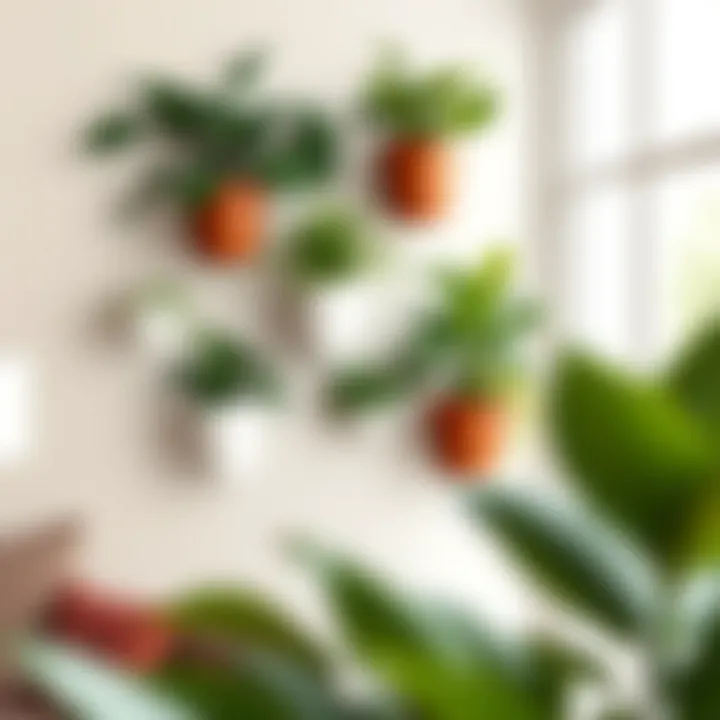
In recent years, the world of interior design has witnessed a shift towards incorporating more botanical elements into our living and working spaces. The trend of utilizing wall planters has grown significant appeal, allowing spaces to breathe and express a distinct personality. Wall planters not only present an opportunity for greenery but also serve as artistic statements that can redefine the look and feel of an environment. As urban settings become more congested, and the daily hustle and bustle increases, creating a verdant sanctuary through wall planters seems to be a remedy for the chaos.
The emergence of modern wall planters reflects changing tastes, persistent environmentally conscious themes, and the increasing acknowledgment of the mental and physical benefits plants can offer. These planters range from minimalistic designs to exuberant arrangements that create a multisensory experience. Their versatility and adaptability fit seamlessly into various decor styles, making them perfect for any indoor space—from trendsetting homes to dynamic offices.
In this article, we will peel back the layers of wall planters, exploring their myriad designs, the best plants to choose, and effective maintenance tips. Whether you are an interior designer aiming to revamp your projects, an office manager looking to inject life into a dull workspace, or simply a home office enthusiast wanting to make your environment more inviting, this guide will provide the insights needed to elevate indoor settings using modern wall planters.
Furniture Styles
Modern vs. Traditional: Key Characteristics and Benefits
The choice between modern and traditional furniture styles can significantly affect the decision to integrate wall planters into an indoor space. While traditional styles often lean towards classic materials and ornate designs, modern styles often emphasize minimalist lines and functionality. Modern furniture typically features sleek finishes, showcasing a harmonious balance of form and space.
When mixing modern wall planters with contemporary furniture, a sense of openness and clarity can emerge. These planters often incorporate geometric shapes and vibrant colors that contrast beautifully against neutral or muted backdrops.
"The right combination of furniture styles and planters can transform an ordinary wall into a striking focal point, inviting the eye to explore more."
Conversely, traditional settings benefit from wall planters that echo historical designs and textures, showcasing rich woodland materials. The coexistence of regal furniture and botanical displays can create a picturesque atmosphere reminiscent of a classic tea room or a grand estate.
Exploring Minimalist Design: Tips for a Clean Workspace
As we embrace the idea of simplicity, minimalism has emerged as a remarkably powerful trend within interior design. To effectively employ wall planters in a minimalistic workspace, consider the following tips:
- Select Monochromatic Planters: Choose wall planters in similar tones to your wall color to create a seamless visual flow.
- Limit Plant Selection: Stick to one or two plant varieties to keep the aesthetic clean and avoid clutter.
- Consider Arrangement: Utilize a grid or straight line pattern to maintain a structured look that aligns with minimalist principles.
Minimalist design thrives on less; thus, when thoughtfully implementing wall planters, clear distinctions in space and decor can come together beautifully to create a stress-free environment.
In the next sections, we will explore the essential types of plants most suitable for indoor wall planters, along with maintenance considerations that ensure your greenery thrives indoors. Stay tuned as we amp up the greenery in our indoor spaces and see how even a small adjustment can lead to significant transformations.
Prelude to Wall Planters
Wall planters have become a game changer in modern interior design, particularly in urban settings where space is a premium. These innovative design elements allow for an efficient way to introduce greenery into homes and offices without requiring valuable floor space. With so many of us leading busy lives, including more nature in our environments can foster a sense of tranquility while breathing life into any room.
Consider how inviting a wall adorned with lush plants can be; it almost instantly changes an ordinary wall into a dynamic and lively focal point. The benefits go beyond aesthetics. Studies suggest that greenery can improve air quality and even enhance mood. For office spaces, introducing wall planters can reduce stress levels among employees, providing a more welcoming and less sterile environment. Beyond health benefits, these installations also encourage creativity and collaboration.
When it comes to the practical aspects, wall planters come in a variety of sizes, materials, and styles. You can find options that suit minimalistic tastes as well as those that favor a more eclectic décor. Understanding the wide-ranging options available and how they can be effectively integrated into different spaces is crucial for interior designers, office managers, and home enthusiasts alike. As we dive deeper into wall planters, we’ll explore how these innovative structures serve a dual purpose: enhancing aesthetic appeal and improving environment quality, making them a worthy consideration for anyone looking to add some greenery into their life.
Defining Wall Planters
Wall planters, in essence, are structures designed to hold plants vertically against a wall. These can be anything from simple shelves supporting potted plants to intricate systems that allow for a diverse array of plant species. Unlike traditional planters, which sit on the ground, wall planters leverage vertical space, making them ideal for smaller rooms or areas with limited floor space.
The beauty of wall planters lies in their versatility. They are not just functional; they can also be artistic expressions. A well-arranged wall planter can serve as a piece of living art, changing over time as the plants grow or seasonally with changes in floral displays. They can cater to different plant needs, whether you want to grow vibrant flowers, leafy greens, or even herbs for your kitchen.
Historical Context
The concept of vertical gardening is not new, although modern wall planters have propelled it into the spotlight. The practice dates back to ancient civilizations. For instance, the Hanging Gardens of Babylon are rumored to be an early form of vertical gardening, showcasing plants on terraces. Furthermore, in more recent history, the green wall movement gained traction in the 20th century, primarily through the work of botanists and landscape architects like Patrick Blanc.
Over the past few decades, the combination of urban living constraints and a rising interest in gardening for sustainability has only reignited the popularity of wall planters. As people look for ways to green their living spaces, wall planters present an appealing and practical solution. This historical evolution helps us appreciate not only the functional benefits of wall planters but also their artistic and cultural significance.
"Wall planters are a bridge between nature and interior spaces, transforming lifeless walls into vibrant ecosystems that breathe life into environments."
The Rising Popularity of Modern Wall Planters
The last few years have seen an increasing trend toward indoor gardening, with wall planters at the forefront of this green revolution. This surge in popularity isn't just a passing fad; it's deeply tied to the growing awareness of environmental sustainability, along with a newfound appreciation for indoor aesthetics. The modern wall planters serve not only a functional purpose but also elevate the visual appeal of a space, making them appealing to homeowners and office managers alike. This section delves into the elements driving this trend, exploring both the benefits they offer and the considerations that need to be kept in mind.
Trends in Indoor Gardening
As more individuals seek ways to integrate nature into urban life, the concept of indoor gardening has been revolutionized. No longer confined to pots on windowsills, plants can now grace our walls in innovative ways. The advent of wall planters has made it possible for people to cultivate greenery in locations once thought unsuitable.
Several trends are influencing this shift:
- Urbanization: As cities grow, the lack of garden space becomes a concern. Vertical wall planters fit beautifully into small urban apartments, transforming blank walls into living art.
- Health Consciousness: There's a heightened awareness regarding the benefits of plants in the home, from improving air quality to boosting mood. People are looking for solutions that contribute to their overall well-being, making wall planters a prime choice.
- DIY Culture: With endless resources available online, many are taking to crafting their own wall planters, personalizing their spaces while embracing sustainability.
"Creating a green wall can breathe life into the dullest of rooms; it accentuates colors and creates a sense of space, making you feel more connected to nature."
Influence of Minimalist Design
The minimalist design movement has seeped into most aspects of our lives, including interior design. In a world increasingly leaning towards simplicity, wall planters resonate well with this aesthetic philosophy. By focusing on clean lines and uncluttered spaces, modern wall planters embody versatility and elegance.
Key aspects of their minimalist influence include:
- Simplicity: The design of wall planters often focuses on straightforward structures that highlight the plants. An unobtrusive frame allows the greenery to take center stage without overwhelming the surroundings.
- Space Efficiency: Minimalism champions the effective use of space. Wall planters utilize vertical areas, allowing individuals to maximize their square footage even in tiny homes or offices.
- Natural Materials: Many designs lean towards eco-friendly materials like reclaimed wood or untreated metals, marrying natural aesthetics with modern trends. This choice further caters to a growing demographic that values sustainability within their design choices.
Incorporating wall planters into your space is more than just an aesthetic choice; it's a commitment to a lifestyle that values simplicity and green living. The rising popularity of these planters signals a profound shift in how we think about our interiors, offering a blend of beauty and practicality that resonates with today’s conscious consumer.
Types of Wall Planters
When discussing modern wall planters, it's crucial to explore the different types available. Each kind serves not just an aesthetic purpose, but it can also impact your indoor gardening experience in significant ways. Understanding these types allows designers, architects, and even home enthusiasts to create unique greenery displays that elevate their spaces. Plus, the choice of a specific wall planter can affect aspects such as air quality, plant health, and interaction with the environment.
Vertical Garden Systems
Vertical garden systems are a brilliant innovation in the realm of indoor gardening. They offer an opportunity to transform otherwise blank walls into lush, green canvases. These systems incorporate a series of pockets or trays that hold soil and plants, allowing them to grow upwards instead of outwards. One major advantage of vertical gardens is their ability to maximize space—especially in smaller apartments or crowded office environments.
Here are some reasons why you might consider vertical garden systems:
- Space-Saving: If your area is tight, vertical systems can pack a lot of greenery into a small footprint.
- Visual Interest: They serve as a stunning focal point, often encouraging conversations and adding vibrant colors to your wall.
- Environmental Benefits: Vertical gardens can improve air quality by filtering pollutants and producing oxygen.

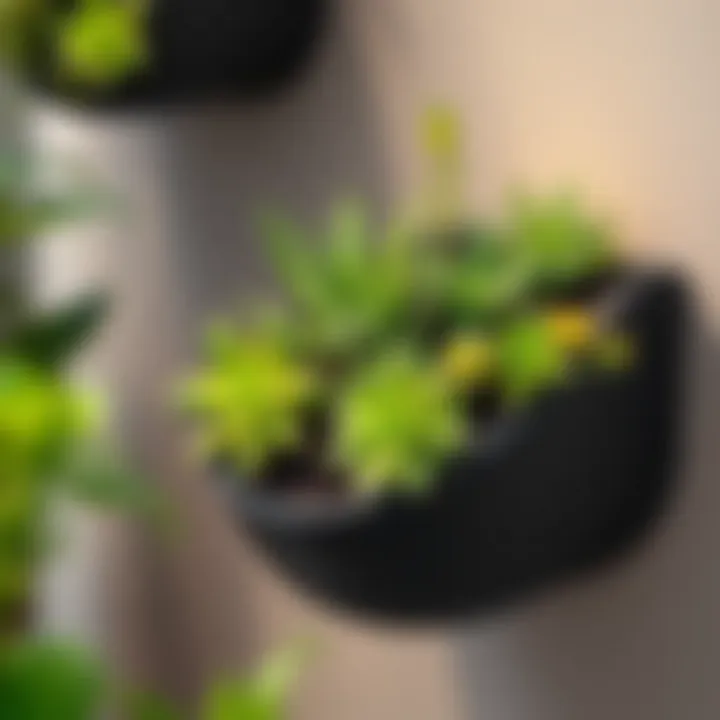
"The beauty of a vertical garden lies not just in its design but also in its ability to connect us with nature, irrespective of our location."
Hanging Planters
Hanging planters present another stylish option for indoor gardening. These planters can be suspended from the ceiling or mounted on the wall, allowing you to create layers of details in your vertical space. The versatility of hanging planters opens up avenues for creativity, enabling the arrangement of different plant types at varying heights. This can create a more dynamic visual effect in any room.
Consider these aspects of hanging planters:
- Light Access: They can be placed closer to windows or light sources, ensuring plants receive adequate sunlight without taking up valuable floor space.
- Ease of Maintenance: Many hanging planters have designs that simplify watering and pruning—key for maintaining plant health.
- Decorative Possibilities: From macramé hangers to sleek metal frames, there’s a wide range to choose from, catering to diverse design aesthetics.
Pocket Planters
Pocket planters are uniquely designed for those who wish to delve into wall gardening while maximizing limited space. These planters are typically made with fabric or felt materials that create pockets for plants to thrive. They are particularly advantageous for herb gardens or small flowering plants, making them perfect for kitchens or sunny corners of an office.
The benefits of pocket planters include:
- Customization: You can easily arrange the pockets in unique patterns to suit your wall space and personal style.
- Lightweight Construction: Most pocket planters are designed to be lightweight, ensuring they can be hung on most walls without heavy mounting hardware.
- Healthier Plants: The breathable fabric allows for good drainage and aeration, which can promote healthier root systems.
In summary, the diverse types of wall planters each come with unique elements and benefits that can transform any indoor environment—be it in homes, offices, or creative spaces. By carefully considering the type of wall planter you choose, you can not only enhance the aesthetics of your area but also improve the overall well-being of the space itself.
Selecting the Right Plants
Choosing the right plants is crucial for the success of indoor wall planters. Each plant brings its unique flair but also comes with its own set of needs. When considering wall planters for your indoor spaces, it’s important to reflect on various factors like light availability, humidity, and how much care you can provide. Selecting plants suited for your particular environment not only enhances the aesthetic appeal but also ensures the longevity and health of your green companions.
Low-Light Tolerant Plants
In many indoor spaces, natural light may be at a premium.
Low-light tolerant plants are ideal in such situations. There are a few favorites that thrive even in less-than-ideal illumination:
- Snake Plant (Sansevieria): Known for its hardy nature, this plant can survive in areas with minimal sunlight. Its upright leaves add a modern touch to wall planters.
- Pothos (Epipremnum aureum): This easy-going vine can adjust to various light levels, making it a favorite among gardeners. Its trailing nature allows for dynamic visual interest.
- ZZ Plant (Zamioculcas zamiifolia): The ZZ plant is particularly forgiving of fluctuating light conditions, and it has a glossy surface that catches the eye.
Plants like these can add depth to wall installations. Low-light tolerants can improve the overall ambiance while requiring minimal maintenance. When selecting plants, consider also their growth patterns; certain plants may need more space to spread out, while others remain compact and perfect for confined areas.
Air Purifying Plants
Adding air-purifying plants into wall planters can greatly enhance indoor air quality. It’s a bonus, making them double their role—aesthetic and functional. Here are some top picks:
- Spider Plant (Chlorophytum comosum): Known for its air-filtering capabilities, spider plants are also visually appealing with their long arching leaves. Their ability to remove toxins makes them a smart choice for enclosed spaces.
- Peace Lily (Spathiphyllum): This plant doesn’t just beautify, it also does wonders in purifying the air. Its white blooms pop against lush green foliage, making a striking addition to any wall planter.
- Boston Fern (Nephrolepis exaltata): While it may need a bit more humidity, this fern is exceptional at filtering out harmful chemicals. Its lush fronds create a natural, softened effect on hard wall surfaces.
Utilizing air-purifying plants not only contributes to better indoor air but can also enhance overall well-being in a shared space. There’s something comforting about greens that not only designate a design choice but serve health purposes.
"Plants are the lungs of the Earth, purifying our air and offering solace to our minds."
In essence, selecting the right plants for wall planters unfolds a myriad of benefits. The choice of low-light tolerant and air-purifying plants can create a blend of style and utility in your indoor spaces. Taking time to evaluate the right species for specific environments ensures a successful and thriving indoor garden, turning walls into living canvases.
Integrating Wall Planters into Office Spaces
Integrating wall planters into office spaces has become more than just a passing fad; it is a deliberate choice that reflects a growing appreciation for aesthetics, sustainability, and employee well-being. The act of positioning greenery on walls transforms an otherwise sterile work environment into a vibrant and engaging setting. Plants have a natural ability to soften rigid office lines, creating a sense of balance and tranquility. This section dives into how wall planters can enhance the visual quality of workplaces while also addressing practical benefits.
Enhancing Aesthetic Appeal
The aesthetic value of wall planters cannot be overstated. They serve as living art installations that add character to bland office environments. Imagine walking into a corporate lobby adorned with cascading ferns or succulents nestled within geometric wall-mounted planters. This visual interest does not merely look good on the surface; it speaks volumes about the company culture. Companies that opt for such designs often come across as progressive and environmentally conscious.
A few essential considerations should guide the selection and installation of these planters:
- Color Coordination: Choose plants that complement the existing color palette of the office. Lush greens against a neutral backdrop can create a refreshing contrast.
- Planter Design: The planters themselves can be a statement piece. Sleek metal or rustic wood can either integrate seamlessly with the decor or stand out as a focal point.
- Variety of Plant Types: Mixing different plants offers dynamic visual appeal. Use trailing plants for texture and height variations, while smaller, compact species can fill in the gaps pleasantly.
Moreover, wall planters often reduce the need for floor space, thus maximizing usable areas. This strategic approach to design makes environments appear less cluttered and provides organized aesthetics.
Promoting Employee Well-Being
Plants do more than just beautify spaces; they offer substantial benefits to the mental health and overall well-being of employees. Studies have shown that incorporating greenery into workspaces can lead to increased productivity and lower stress levels. With wall planters, the visibility of plants is enhanced, providing continual interaction with nature even in busy office settings.
Some of the advantages include:
- Reduction in Stress and Anxiety: The sight of greenery helps soothe employees, providing a break from monotonous work routines. This interaction with nature, even if just visual, has a calming effect.
- Air Quality Improvement: Certain plants can purify the air, absorbing toxins and releasing oxygen. This factor is crucial in maintaining a conducive working environment.
- Boosting Creativity: Exposure to nature has been linked to increased creative problem-solving abilities. Wall planters can spark inspiration, making them a worthwhile addition to brainstorming zones or collaborative spaces.
"Incorporating greenery into workspaces positively influences employee morale and effectiveness."
By thoughtfully considering plant placement and planter designs, office managers can turn ordinary walls into thriving landscapes that serve both functional and emotional needs.
Materials Used in Wall Planters
When it comes to wall planters, the materials chosen can greatly influence their functionality, aesthetic appeal, and environmental impact. With the increasing trend towards sustainable living, understanding the importance of materials used in wall planters is paramount. Let's dive into the specifics of what makes certain materials better than others, considering aspects such as durability, weight, and eco-friendliness. Choosing the right materials not only ensures the longevity of the planters but also supports the overall design philosophy of indoor spaces.
Sustainable Materials
In recent years, many designers and architects have shifted their focus towards sustainability. This change is not just a trend but a necessity for our environment. Sustainable materials used in wall planters include reclaimed wood, bamboo, and recycled plastic. Each of these options offers unique benefits:
- Reclaimed Wood: Using wood that has a history reduces waste and adds character to the space. Each piece tells a story, providing a rustic feel while being a stalwart choice for plant support.
- Bamboo: This rapidly renewable resource is not only lightweight but also incredibly strong. Its natural beauty complements various design styles, making it a favorite among minimalists.
- Recycled Plastic: A practical choice that prevents waste from ending up in landfills, it is durable and available in a variety of colors. Additionally, recycled plastic can withstand various indoor conditions, making it ideal for diverse environments.
Adopting these materials conveys a commitment to the environment. On a practical note, they can contribute to a healthier living and working space, as many sustainable elements also promote air quality.
Durable and Lightweight Options
Another critical aspect of materials for wall planters lies in their durability and weight. When it comes to selecting wall planters, especially for indoor use, it’s essential to find a balance between robustness and manageability.
- Ceramic Planters: These offer excellent durability and can withstand the test of time when properly cared for. However, they can be heavy, so it's vital to consider the wall strength before installation.
- Fiberglass: Light yet sturdy, fiberglass planters come in various finishes. They mimic the look of ceramics and more expensive materials, providing versatility without the added heft.
- Metal Planters: Galvanized steel and aluminum are popular choices due to their lightweight nature and resistance to wear. These materials can give a modern edge while standing up against the elements.

It’s worth noting that while lightweight options are appealing for ease of installation, they shouldn't sacrifice quality or stability. The right combination can ensure that your wall planters not only look good but last well into the future.
"Choosing the right material for wall planters is like picking the frame for a painting; it needs to enhance the art without overshadowing it."
Installation Tips for Wall Planters
Installing wall planters is more than just a matter of choosing the right pots and plants; it requires careful thought about location and mounting techniques. The installation process can significantly influence the health of your plants, the overall aesthetics of your indoor space, and the ease with which you can care for your green companions.
Choosing the Right Location
The success of wall planters begins with selecting an optimal location. Factors such as light levels, temperature fluctuations, and even humidity must be taken into account. Natural light is a crucial element for plant growth; hence, positioning wall planters near windows or in areas that receive appropriate indirect sunlight is imperative. However, it is essential to steer clear of spots where direct sunlight might scorch sensitive plants.
Here are some considerations when determining the right location:
- Assess Light Exposure: Observe how the light changes throughout the day. This will help in selecting plants that suit the available light.
- Temperature Control: Avoid placing wall planters near heating vents or air conditioners, as extreme temperatures can shock delicate plants.
- Accessibility: Choose a wall that is easy to reach for regular maintenance tasks like watering and pruning.
In essence, a thoughtful approach to location sets the groundwork for flourishing wall planters. The right spot doesn’t just make a statement; it creates thriving plant life.
Mounting Techniques
Once you’ve selected the perfect spot for your wall planters, the next step involves the technique used to mount them securely. An improper mount can lead to everything from damaged walls to unhealthy plants.
There are several effective methods for mounting wall planters, and the best choice typically depends on the planter type and wall material:
- Screws and Anchors: For heavier planters, using screws along with wall anchors is advisable. Ensure that you’re screwing into a wall stud or using appropriate drywall anchors to support the weight.
- Brackets: Using wall brackets can allow for more decorative options, giving you flexibility in design while ensuring sturdy support.
- Adhesive Hooks: For lighter planters, adhesive hooks can be a straightforward solution. Make sure to check the weight limitations of the adhesive before proceeding.
- Pegboards and Grid Panels: These fixtures enable the arrangement of multiple planters in an organized manner. They also allow for future adjustments easily.
Utilizing the right mounting technique not only enhances the longevity of your planters but also encourages healthy growth for the plants within.
When installing wall planters, every detail counts. The right location combined with proper mounting can lead to a lush, beautiful display that transforms your indoor environment into a green haven.
Maintenance of Indoor Wall Planters
Maintaining indoor wall planters might seem like a walk in the park, but there's a bit more to it than just watching plants grow. The care tips found under this umbrella not only help keep your plants healthy, but they also ensure they remain an appealing part of your space. After all, a wall planter is more than just a place for greenery. It's an expression, a touch of nature that breathes life into your home or workplace.
Watering Guidelines
Effective watering is paramount for the vitality of plants. But why does it matter so much? Indoor wall planters may have different hydration needs compared to traditional pots. Here’s a quick rundown:
- Understand Water Retention: When affixed to a wall, soil can dry out quicker than in a standard pot. You’ll want to check the moisture regularly. Stick your finger in the soil up to the second knuckle; if it feels dry, it's time to water.
- Use a Consistent Schedule: Developing a routine can simplify the process significantly. Depending on the plants, this could range from once a week to every few days. Plants like Pothos prefer slightly moist soil, while succulents thrive in drier conditions.
- Watering Technique: Consider the way you water. Drip systems can do wonders, but if you're doing it manually, a watering can with a spout is your best bet. Aim for the base of the plant, ensuring water goes directly to the roots rather than on the leaves.
Effective watering is a delicate dance between the needs of the plant and the environment in which it’s flourishing.
Fertilization Practices
Just like folks need nourishment to thrive, plants do too! Fertilizing indoor wall planters is an essential part of maintenance that often gets overlooked. Here's what to keep in mind:
- Choosing the Right Fertilizer: Opt for a balanced, water-soluble fertilizer for most plants. Look for a product with equal parts nitrogen, phosphorus, and potassium—often detailed as NPK on labels.
- Frequency of Application: Generally, using fertilizer every four to six weeks during the growing season (spring and summer) can boost your plants' growth. Some indoor plants slow their growth in winter, so you might want to ease up during this period.
- Dilution Is Key: Always follow the recommended dilution on the package. Over-fertilizing can lead to nutrient burn, turning your lush greens into crispy critters.
"An ounce of prevention is worth a pound of cure." - Benjamin Franklin
Just as good practice encourages proper hydration, ensuring your plants get the proper nutrients will also yield an inviting and vibrant display on your indoor walls. With the right techniques for watering and fertilization, your wall planters will not only survive but thrive, making a lasting visual and health impact in your space.
Challenges of Indoor Wall Gardening
Indoor wall gardening presents a unique set of challenges that anyone looking to enhance their space with plants should understand. Even as the trend of vertical gardens rises, it’s significant to grasp these hurdles to minimize obstacles and ensure thriving greenery. Proper management not only enhances aesthetic appeal but also supports the wellness of the plants, contributing to a healthier indoor environment.
Pest Management
Pest management is crucial in indoor gardening, particularly for wall planters where plants can become vulnerable to various insects. Greenhouses, and by extension wall planters, can become breeding grounds for pests such as aphids, spider mites, and fungus gnats. These nuisances can wreak havoc on plants, leading to health issues like wilting or stunted growth. Due to the often confined nature of wall planters, infestations can spread like wildfire.
To combat this, regular monitoring should be a part of your routine. Look for any leaves showing signs of damage or discoloration. Integrated pest management, involving both chemical and natural strategies, often proves effective. Natural solutions like neem oil or insecticidal soap work wonders without the harshness of synthetic chemicals. Moreover, beneficial insects, such as ladybugs or predatory nematodes, can be introduced to control pest populations in a more organic manner.
Here are some effective strategies to keep pests at bay:
- Inspect plants regularly. Catching infestations early can save your leafy companions.
- Maintain cleanliness around the planters. Removing dead leaves and debris helps deter pests.
- Use barriers or traps to catch unwanted insects before they can spread.
"A proactive approach to pest management is the secret ingredient to successful indoor wall gardening."
Light Requirements
Light requirements represent another fundamental challenge in indoor wall gardening. Plants rely heavily on proper light exposure for photosynthesis, and the lighting in many indoor environments, such as offices or homes, might not meet their needs. The intricacies of natural light conditions mean that some areas may receive bright sunlight, while others may remain in shadow.
Understanding the specific light needs of your chosen plants is essential. While some may thrive in low-light conditions, others might demand bright, direct sunlight. Being aware of these differences allows for better integration of plant selections and ensures their success. Moreover, the use of grow lights can bridge the gap when natural light is lacking.
To categorize light requirements:
- Low-light plants include varieties such as snake plants and pothos.
- Medium-light plants might be spider plants and peace lilies.
- High-light plants often include succulents and cacti.
Here are tips to manage light effectively:
- Rotate planters periodically. This can help distribute sunlight evenly across all plants.
- Choose your locations wisely. Placing wall planters near windows or light sources can optimize growth potential.
- Consider the use of artificial lighting when natural light is insufficient or inconsistent.
In summary, while challenges like pest management and light requirements exist, they can be effectively addressed with proper planning and care. Engaging with these issues directly fosters resilient plant life, ensuring that indoor wall gardens flourish in any setting.
Decorative Elements in Wall Planters
When it comes to wall planters, the decorative elements play a crucial role in elevating the overall appeal of indoor spaces. Beyond merely serving as a vessel for plants, wall planters can act as striking visual statements that harmonize with the interior design theme of a room. This integration of functionality and aesthetics adds a layer of sophistication that can enhance any space, from contemporary offices to cozy home environments.
One major benefit of incorporating decorative elements in wall planters is the ability to personalize and customize indoor settings. Every space is unique, and having planters that reflect individual tastes can make a world of difference. For instance, choosing planters with intricate designs or bold colors can breathe life into an otherwise dull wall, turning it into a lively focal point. Such customization encourages creativity and transforms walls into living art.
Considerations for decoration are not limited to the planters alone. The interplay between plants and their arrangements provides further opportunities for artistic expression. Arranging succulents of differing heights and hues can create a dynamic and engaging display. Furthermore, incorporating empty spaces deliberately can provide breathing room, allowing each element to shine.
"Decorative elements are essential to creating a sense of harmony and balance in indoor spaces. Choices should resonate with the overall design while providing a clear visual appeal."
Combining Plants with Art
The combination of plants with artistic elements in wall planters transcends the ordinary and elevates interior expression. This blend allows designers to create installations that go beyond basic plant displays, encouraging creativity and depth. Utilizing an artful approach, one can create stunning wall galleries where planters become part of a larger narrative.
- Framed Displays: Artists and designers can frame hanging planters with wood or metal, making them look like canvases showcasing living art. The juxtaposition of vibrant greens against stark frames can create visual contrast that’s both appealing and attention grabbing.
- Abstract Forms: Embracing organic shapes or geometric designs in planters can further enhance the aesthetic. By thinking outside the box, planners can sculpt areas of walls into low-maintenance botanical sculptures that intrigue onlookers.
- Color Coordination: Ensuring that color schemes align with the room's palette can yield harmonious results. Choosing plants whose greens complement the color of adjacent artworks or furnishings strengthens the connection between the plants and other design elements.
Incorporating Lighting Features
Lighting features play a significant role in accentuating the beauty of wall planters, making them stand out during both day and night. Employing ambient or accent lighting can elevate the visual experience, providing mood and drama that’s not present in the daytime alone.
- Backlighting Planters: Installing LED strips behind wall planters can cast a radiant glow, emphasizing plant textures and forms when the lights dim. This effect can turn a simple wall into a captivating centerpiece.
- Spotlighting Succulents: Use adjustable spotlights to draw attention to specific arrangements of plants. Focused lighting can create striking shadows and highlights that enhance the three-dimensional effect of layered plantings.
- Colorful Light Filters: Experimenting with colored lighting can introduce an entirely new mood. By rotating colors throughout the day, an indoor space can feel vibrant and dynamic, echoing the seasons and moods that plants embody.
The integration of decorative elements in wall planters opens a realm of creative possibilities that can transform mundane environments into visually compelling spaces. By harmonizing plants with artistic features and expertly incorporated lighting, designers and managers can create immersive experiences that captivate and inspire.
Case Studies and Examples
Exploring case studies and examples is crucial when discussing modern wall planters, particularly in indoor settings. These real-world applications illustrate not just the aesthetics these planters can bring to a space, but also showcase their functionality and ease of integration into various environments. Examining successful installations and innovative setup ideas allows designers, managers, and homeowners to glean practical insights and inspiration for their personal or professional projects.
Successful Installations in Corporate Offices
Corporate offices have increasingly recognized the value of greenery, and wall planters have risen to the occasion. One notable installation took place at the headquarters of a tech company in San Francisco. They transformed a bland wall into a vertical garden that features a variety of succulents and ferns. This setup not only brightened the office atmosphere but also provided employees with the psychological benefits associated with nature, such as reduced stress levels and increased focus.
The key elements of success in this example include:
- Strategically Chosen Plants: The use of low-maintenance plants was crucial, as the office had a limited staff for maintenance.
- Innovative Design: The planters were chosen for their modern aesthetic, fitting seamlessly into the sleek office design.
- Sustainable Practices: Many of the plants were sourced from local nurseries, emphasizing a commitment to sustainability.
Implementing wall planters in this manner not only boosted employee morale but also positioned the company as a leader in incorporating eco-friendly practices in the workplace.
Inspirational Home Office Setups
Similarly, the rise of remote work has pushed homeowners to rethink their spaces. A perfect example is a home office in a tiny apartment in New York City that utilized wall planters to maximize limited square footage. By installing pocket planters on one wall, the owner was able to bring a splash of life into a small area without taking up precious desk space.
Some interesting features of this setup included:
- Layered Plants: The homeowner chose a mix of trailing plants and upright ones to create depth and visual interest.
- Functional Decor: The planters doubled as decor, purifying the air while providing an artistic element to the workspace.
- Personal Touch: Many plants reflected the owner’s personality, making the space feel uniquely their own and fostering creativity.
This example demonstrates how wall planters can enrich a home office environment significantly, an individual can muster creativity and comfort in equal measure while working from home.
Wall planters have proven to be powerful tools for revitalizing space, improving mood, and even enhancing productivity.
By drawing from these case studies, we can understand how innovative implementations of wall planters can lead to exceptionally beneficial outcomes in both corporate and home environments.
Future of Indoor Wall Gardening
The future of indoor wall gardening is becoming an exciting frontier in design and technology. As more people embrace the value of greenspace in urban environments, the focus on innovative solutions like wall planters is growing. These planters are not just aesthetic; they foster a deeper relationship with nature and promote well-being in confined spaces. The evolution of indoor wall gardening will still play a pivotal role in our interiors, touching on everything from sustainability to design innovations.
Technological Innovations
With technology advancing at a breakneck pace, the integration of smart features in indoor wall gardens is gaining traction. Think about automatic irrigation systems that can connect to your smartphone. Imagine not having to worry about watering schedules because sensors can detect when the soil is dry. This technology not only simplifies care but also ensures that plants thrive, creating a lush vertical garden in your living room or office.
Another thrilling concept is LED grow lights, which can mimic natural sunlight to foster healthy plant growth in low-light spaces. This means that even rooms with little to no direct sun can support a vibrant array of plants. Such solutions allow diverse selections of indoor greenery, expanding beyond just the typical hardy species.
Additionally, augmented reality (AR) apps are making their mark. Users can visualize how wall planters would look in their spaces before making a purchase. This adds a layer of personalization that resonates with many, ensuring they choose plants and designs that fit their individual aesthetic perfectly.
"Technology is changing the way we think about indoor gardening; it's no longer just a hobby, but a revolution in how we inhabit our spaces."
The potential doesn't stop here. The advent of hydroponic systems means one can grow plants without soil, using mineral nutrient solutions instead. This method can reduce the mess often associated with gardening, making it even more accessible to those who live in apartments or places where traditional gardening isn't feasible.
Sustainability Trends
As environmental concerns take center stage, sustainability in indoor wall gardening is more than a passing fad; it's essential. The focus on using eco-friendly materials for planters, such as recycled plastics or sustainably sourced wood, is growing. This shift not only reduces waste but also appeals to a more conscious consumer base looking to make ethical choices.
Moreover, the implementation of systems that minimize water usage, like drip irrigation or self-watering planters, reflects a broader trend towards conservation. People want gardens that do not just look good but also contribute to a healthier planet. Choosing native plants that require less water and are more adaptable to various environments can further enhance this sustainable approach.
Finally, there’s a shift towards biophilic design—not just adding plants to spaces, but genuinely incorporating nature into our daily lives. This can lead to improved mental health, productivity, and overall quality of life. The combination of psychological benefits and sustainability creates a winning condition for indoor wall gardening.
In summary, the future of indoor wall gardening lies at the intersection of design, technology, and sustainability. With emerging innovations and a growing focus on eco-friendly practices, these vertical gardens are set to become an integral part of our indoor spaces.
The End
The exploration of modern wall planters in this article serves as a reminder of their transformative potential in both domestic and corporate environments. Wall planters not only elevate the aesthetic of a space but also contribute positively to the well-being of those who inhabit it. As we unpacked the various aspects of these planters, it became clear that they are not merely functional items; they are integral parts of contemporary design that enhance indoor gardening experiences.
Recapping the Benefits of Wall Planters
Wall planters come with a myriad of advantages that make them attractive choices for any indoor setting. First off, space-saving capabilities are paramount. In urban environments where square footage is often a premium, wall planters allow for a lush greenery experience without encroaching on valuable floor space.
Some key benefits include:
- Improved Air Quality: Many plants known for wall spaces act as natural air purifiers, reducing toxins and enhancing the environment's breathe-ability.
- Aesthetic Appeal: A living wall can serve as a stunning focal point, adding vibrancy and life to dull walls.
- Easier Maintenance: With the right plant selection, such as succulents or ferns, wall planters require minimal upkeep compared to traditional household plants.
- Increased Employee Productivity: In office environments, the presence of greenery has been shown to enhance focus and reduce stress, ultimately improving overall productivity.
This understanding underscores why these planters deserve a place in any thoughtfully curated space. By introducing attractive plants into our daily lives, we are quite literally breathing fresh air into our interiors.
Encouragement for Integration
There’s no time like the present to embrace the integration of wall planters into various indoor settings. For home decorators, adding a feature wall of succulents or herbs in the kitchen sparks not only visual interest but also a practical use. Similarly, for design-oriented offices, a combination of aesthetic and functional plants can make a stark difference in employee morale and workplace dynamics.
To get started, consider the following steps:
- Assess Your Space: Identify areas that can benefit from vertical gardening—be it a living room, hallway, or office.
- Select Plants Wisely: Depending on the light conditions, choose plants that will thrive. Options like pothos or peace lilies can adapt well to various light settings.
- Design Thoughtfully: Experiment with arrangements and configurations. Grouping planters in asymmetrical patterns often yields a modern look.
- Engage Colleagues or Family: If in a corporate space, get input from coworkers on plant selections to create a sense of ownership. In homes, involve family members to increase collective appreciation for the greenery.
Putting wall planters in play is more than just a trend; it’s an invitation to cultivate life where it is least expected. When modern design meets nature, the benefits ripple through to the heart of any space, turning ordinary environments into extraordinary ones.