Media Wall Shelves: Design, Functionality, and Tips
Intro
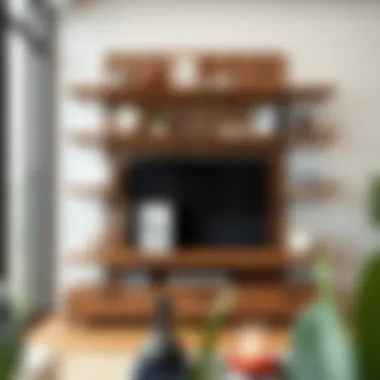
In today's rapidly evolving interior design landscape, media wall shelves play a pivotal role in enhancing both functionality and aesthetics, whether in a bustling office or the cozy corners of your home. These shelves do more than just hold your favorite books and gadgets; they can redefine a space, offering a practical solution to clutter while also adding an artistic touch.
The charm of media wall shelves lies in their versatility and adaptability to various styles. They can be the focal point in a chic modern apartment, or provide a rustic touch in a traditional home. The idea is not just to fill wall space but to create a visual narrative that reflects your personal taste and complements the functional needs of the environment.
As we venture into the myriad possibilities that media wall shelves present, we will explore key elements ranging from design principles to choosing the right materials. We’ll dive deep into how to effectively incorporate these installations into both modern workspaces and home settings, ensuring that you understand not just what looks good, but what works well.
This guide sets out to illuminate the pathway for everyone—designers looking to innovate, office managers aiming to enhance productivity, and home office enthusiasts seeking a practical yet stylish setup. So, let’s embark on this exploration, aiming to strike a balance between design and utility.
Understanding Media Wall Shelves
Media wall shelves are not just mere platforms to store your beloved DVDs or decorative trinkets; they are key players in the dynamic between form and function in both homes and offices. As spaces continue to transform into multifunctional areas, understanding the role of these shelves becomes essential for various audiences including designers, managers, and homeowners. These shelves open up a world of possibilities in utilizing vertical space effectively while adding an element of style.
Definition and Purpose
Media wall shelves serve as a structural device for organizing and displaying media content and accessories. Their primary function extends beyond merely holding objects; they enable creativity and personal expression. Increasingly, individuals want to reflect their tastes and preferences in their spaces, and these shelves allow them to do so in a stylish yet practical manner. Whether it’s for showcasing a collection of books, a curated selection of art pieces, or essential gadgets, media wall shelves cater to various needs.
Moreover, they impart a sense of openness in rooms that may otherwise feel cramped, creating a chic look that complements a range of decor styles. To put it simply, the right media wall shelf can transform a dull corner into a conversation starter, effectively fusing utility and aesthetics.
Historical Context
Taking a step back, the evolution of media wall shelves closely parallels advancements in lifestyle and technology. In the early days, what we might call ‘shelves’ were primarily made from heavy materials like solid wood and tended to be quite bulky. They served merely as utilitarian structures, designed to hold items without much thought to how they looked or fit within the broader scheme of a room.
As time progressed, especially with the dawn of the late 20th century, there was a marked shift towards lighter materials like plywood and steel. This transformation unfolded against the backdrop of changing societal needs—the growing emphasis on modern living required spaces to be adaptable.
Today’s media wall shelves reflect this transition by encompassing minimalistic designs and innovative functionalities. The late 2000s saw the trend of floating shelves; they broke away from traditional fixed shelving by promoting a clean, sleek look. In contemporary settings, they assist in capitalizing on open floor plans enhancing the decor without compromising on space.
In sum, understanding media wall shelves provides insight not just into their utility, but also into how they fit within the broader narrative of interior design. As we continue to delve deeper into specific aspects of these shelves, it's crucial to appreciate their role within the modern living landscape, each shelf a chapter in the ongoing story of our spaces.
Design Principles of Media Wall Shelves
When it comes to media wall shelves, design principles take center stage. These principles not only enhance the visual aesthetics of a space but also play a crucial role in how functional and user-friendly these shelves are. Ensuring that media wall shelves align with the overall theme of a room is key to creating a harmonious environment. With careful attention to design, one can transform ordinary wall space into captivating focal points.
Aesthetic Considerations
Aesthetic appeal is often the first thing that comes to mind when thinking about media wall shelves. These shelves can either complement or clash with the surrounding décor.
- Material Selection: The choice of material—whether it’s sleek metal, rich hardwood, or transparent glass—can set the tone for the entire room. A rugged wood finish might evoke a rustic charm, while glossy black metal offers a modern flair.
- Color Scheme: Color plays an equally important role. Choose shades that resonate with the existing palette. Light colors can create a feeling of openness, while darker shades might bring in coziness and elegance.
- Form and Shape: The design of the shelves should also fit the overall look of the room. Straight lines offer a contemporary touch, while softer curves can make a space feel inviting.
Ultimately, integrating aesthetic considerations into the design of media wall shelves helps to create a cohesive space that reflects the tastes and preferences of its inhabitants. A key point to remember is that these shelves are more than just storage; they are about creating an environment that communicates a specific mood or theme.
Functionality and Usability
Beyond aesthetics, functionality and usability are vital when it comes to media wall shelves. Here are several aspects to consider:
- Weight Distribution: One must consider the weight of the items to be placed on the shelves. Selecting shelves with adequate support can prevent accidents and ensure longevity.
- Accessibility: Think about how accessible the items will be. While displaying collectibles high up can add charm, it might not be practical for everyday items. Strike a balance between visual appeal and user convenience.
- Versatility: Media wall shelves should accommodate various uses. Whether it’s holding books, decorative pieces, or electronics, they must adapt to the user’s needs. Adjustable or modular designs can add value by offering flexibility.
By prioritizing functionality along with aesthetic appeal, media wall shelves can significantly enhance both the practicality and comfort of a space.
In summary, the design principles of media wall shelves encapsulate a harmony between visual appeal and practical use. Whether you are a designer, manager, or simply a home owner, keeping these principles in mind while selecting or creating media wall shelves will ensure that your choices are both stylish and functional.
Materials Used in Media Wall Shelves
When it comes to media wall shelves, the materials selected play a pivotal role in their overall functionality, aesthetic appeal, and durability. Choosing the right materials affects everything from the design and style to the weight capacity and maintenance needs. A deep understanding of the materials used can lead to better decision-making, ensuring that the shelves not only serve as a storage solution but also elevate the overall decor of the space.
Wood Options
Wood remains a classic choice for media wall shelves for various reasons. It’s durable, versatile, and adds a warm, inviting touch to any room. Different types of wood, such as oak, maple, and pine, each bring something unique to the table.
- Oak is renowned for its sturdiness and elegant grain pattern. Perfect for hefty displays like stereo systems or multiple decorative items, oak offers longevity that few materials can match.
- Maple provides a smooth finish, which is ideal for achieving a modern look. Its light color often works well in contemporary settings, making it a preferred choice for designers aiming at minimalistic aesthetics.
- Pine is not only cost-effective but also offers a rustic feel. Its natural knots and variations in grain create character, making it a favorite among those who appreciate a more laid-back style.
Choosing wood isn't just about looks—it's also a matter of strength and maintenance. While softer woods can deform under weight, they are easier to modify or paint, allowing for flexibility in design. However, for weighty media devices, it’s wise to opt for hardwoods that can bear the load without sagging over time.
Metal and Glass Combinations
Metal and glass combinations offer a modern twist to the traditional media shelving concepts. When utilized together, these materials can create a striking visual impact while ensuring structural integrity.
- Metal frames provide strength and stability, making them suitable even for heavier collections. You might find shelves reinforced with steel or aluminum which can hold significant weight without warping.
- Glass oftentimes is the preferred material for showcasing collectibles or decorative items. Tempered glass, in particular, is a wise choice. Its strength and safety features reduce the likelihood of breakage while allowing light to pass through, keeping the space feeling airy.
This combination of materials can also lead to innovative designs. Shelves can be designed to float, framed in metal but with glass surfaces, stripping away the bulkiness often associated with shelves. These designs make the room feel more open, a key consideration in small spaces.
Eco-Friendly Materials
Increasing concern for sustainability has brought eco-friendly materials into the spotlight. Utilizing sustainable sourcing for wood, recycled metals, or alternative materials can significantly reduce a purchase's carbon footprint.
- Bamboo, for instance, is a rapidly renewable material that can be as durable as hardwood. Its growth cycle makes it a top-tier option for those looking to make a greener choice.
- Recycled materials, like reclaimed wood from old barns or factory floors, offer not only sustainability but also unique character. Each piece carries history, lending a narrative to your space that new materials cannot replicate.
- MDF (Medium Density Fiberboard) made from recycled wood fibers can be another eco-friendly alternative. While not as durable as solid wood, it's perfect for those looking to paint or finish their shelves in various styles.
Investing in eco-friendly materials showcases not just a commitment to bettering the environment but also an appreciation for design that considers the world as a whole.
In summary, the choice of materials for media wall shelves is intricate and deserves careful consideration, impacting both the functionality and the overall vibe of the space. Each material has its set of benefits, and marrying the right combinations can lead to a stunning display that combines beauty with practicality.
For more design insights, feel free to explore additional resources at Wikipedia or Britannica.
Types of Media Wall Shelves
Understanding the various types of media wall shelves is crucial for anyone looking to enhance their space, be it in a cozy home setting or a professional office. The choice of shelves can significantly influence the overall aesthetic and functionality of a room. Each type offers its own set of advantages and considerations, making it essential to delve into the unique aspects of corner shelves, floating shelves, and modular systems.
Corner Shelves
Corner shelves are a clever solution for maximizing space, particularly in smaller areas. By utilizing the oft-overlooked corners of rooms, these shelves not only provide a place for media devices but also contribute to the decor. Often triangular or L-shaped, corner shelves can fit snugly into angles, creating an illusion of spaciousness. They can hold books, plants, or even decorative items, proving that every nook can have a purpose.
Benefits of corner shelves include:
- Space-Saving: Ideal for tight spaces, making them perfect for apartments or small offices.
- Creative Display: Offers unique settings for showcasing items that would otherwise be hidden.
- Versatile Use: Adaptable for various rooms, from living rooms to home offices.
However, careful placement is essential. If one isn’t cautious, the shelf could become cluttered, drawing attention away rather than enhancing the design.
Floating Shelves
Floating shelves provide an elegant and minimalist way to display media and decor. They are mounted directly to the wall with no visible brackets, creating a clean and modern look. This type of shelving can be installed at varying heights, allowing for creative arrangements that can transform a space.
One of the main advantages of floating shelves is their adaptability. They can:
- Maximize Vertical Space: Perfect for utilizing high wall spaces where traditional furniture may not fit.
- Enhance Room Ambiance: With the right items, they can serve as focal points in the room.
- Easily Adjusted: Changing decor or reconfiguring displays is straightforward, providing flexibility as styles change.
Caution must be observed with weight limits on floating shelves, as improper installation could pose a risk of failure, resulting in a potentially hazardous situation.
Modular Systems
Modular systems take versatility to a new level. They consist of interlocking units that can be arranged in countless configurations. This flexibility makes them an attractive option for both home and office environments, as they can evolve with changing needs or design aesthetics down the line.
Some noteworthy aspects of modular systems include:
- Customization: Users can choose how many units to include based on specific requirements.
- Scalability: Ideal for expanding the system as one’s collection of media or decor increases.
- Creative Freedom: Users can reconfigure them, fostering creative expression and personalized styling.
Yet, while modular systems offer considerable advantages, they require thoughtful planning. The arrangement should align with the room's overall theme; otherwise, they can disrupt the space and appear chaotic.
"The right choice of media wall shelves can transform not just how you store but also how you display your most valued items, creating an environment that feels uniquely yours."
Installation Process for Media Wall Shelves
Installing media wall shelves is more than just a task; it’s a vital part of transforming a living or office space into a well-organized haven. The installation process holds significance as it ensures that the shelves functionally and aesthetically contribute to the environment. Getting this process right helps in maximizing the use of space while adding an element of design that reflects personal style.
When these shelves are installed correctly, they enhance accessibility and create a visually pleasing display of media items. Plus, improper installation can lead to various issues such as structural instability or damage to the wall, which costs both time and money for corrections.
Choosing the Right Location
The first step in this process is choosing the right location for your media wall shelves. This decision can make or break your entire setup.
- Visibility and Accessibility: Think about where you spend most of your time. Is it in front of a television or a workspace? The shelves should be within easy reach of your media devices, ensuring that everything is conveniently at hand.
- Wall Strength: Before you put a nail in the wall, you need to assess the wall itself. Is it drywall, brick, or something else? Different materials bear different weights, making some locations more suitable than others.
- Natural Light: Consider the lighting in the area. Does the spot receive direct sunlight? Direct exposure can fade your media items or decorative pieces over time.
The ideal location strikes a balance between functionality and pleasing aesthetics.
Tools and Materials Needed
A well-planned installation needs the right tools and materials at hand. Gathering the necessary equipment in advance ensures a smoother installation without hiccups.
- Tools:
- Materials:
- Level
- Drill or screwdriver
- Tape measure
- Stud finder
- Pencil for marking
- Wall shelves (of your choice)
- Brackets (if necessary)
- Wall anchors (suitable for your wall type)
- Screws
Ensuring you have all these tools ready saves you the hassle of hunting for them halfway through the job.
Step-by-Step Installation Guide
With the location selected and tools ready, it's time to dive into the installation. Here's a breakdown of a step-by-step guide to tackle the process:
- Measure and Mark: Start by measuring the space where the shelves will be installed. Use your pencil to mark the points where you want your brackets to be placed. Remember the level; no one likes a crooked shelf.
- Locate the Studs: Use a stud finder to locate the wall studs. Anchoring your shelves into the studs provides stronger support, particularly for heavier items.
- Drill Holes: Once you have identified where the studs are, drill holes for your screws. If you’re using wall anchors, follow the instructions on the packaging for how to install these securely.
- Attach Brackets: Secure the brackets first, making sure they are level. This is crucial, as any imbalance now will be amplified once the shelves and their contents are added.
- Place the Shelves: With the brackets in place, carefully place the shelves onto them. Double-check that everything is lined up and balanced.
- Final Checks: Once the shelves are securely fastened, do a final inspection. Give it a little shake to test stability and adjust as needed before loading them up with your cherished items.
Following these steps not only streamlines the installation but also ensures that your media wall shelves are safe and effective, ready to help maintain the order in your space.
Styling Media Wall Shelves
Styling media wall shelves is more than merely placing items on a surface; it’s an art form that speaks volumes about your personality and taste. The visual impact these shelves have in both residential and office environments can be profound. They transform a mundane wall into a focal point, intertwining functionality with decor. Understanding the importance of proper styling can aid not only in visual appeal but also in optimizing space and functionality.
In this section, we will explore how to seamlessly blend aesthetics with practicality, ensuring your media wall shelves are both attractive and useful.
Incorporating Decorative Elements
When it comes to styling media wall shelves, the incorporation of decorative elements plays a crucial role. This is where personality shines through; it’s an opportunity to showcase cherished books, art pieces, or family photos. However, it's not just about what you place there, but how you do it. A well-thought-out arrangement can turn everyday items into statement pieces.
Consider the following tips for effective decoration:
- Layering: Using different levels creates depth. Place larger items at the back and smaller ones in front. This adds variety and makes the display more interesting.
- Color Coordination: Harmonizing colors with your room can tie everything together. If your room has a dominant color, consider using decorative items that complement or contrast with it.
- Theme Consistency: Keeping a theme ensures cohesion. Whether you lean towards a modern minimalist look or a more traditional vibe, stick to it to maintain visual harmony.
Adding elements like plants can breathe life into the arrangement, while unique sculptures or local art can offer character. Not just a place to store media, but a canvas that reflects who you are.
Balancing Aesthetics and Functionality
Balancing aesthetics and functionality is a delicate dance in the world of shelf styling. On one hand, it’s essential for media shelves to look good, but they must also serve their purpose effectively. This balancing act ensures that you create a space that’s not only beautiful but also practical.
- Consider Weight Capacity: Decorative pieces should be chosen with the weight capacity of the shelves in mind. Heavy items require sturdy shelves, while lighter decorative flourishes can be more inventive in design.
- Accessibility: Keep frequently used items within easy reach while strategically placing decorative elements that are visually appealing yet not obstructive. This way, your shelves remain functional without compromising on style.
- Flexible Arrangements: Styles can shift over time, just like tastes. Consider modular decorative elements that can be easily rearranged as needs change. This provides flexibility while ensuring that your space stays fresh and engaging.
To wrap it up, styling media wall shelves is a reflection of thoughtfulness and creativity. It’s about presenting your narrative through objects while efficiently utilizing the space you have. Each carefully selected piece tells a story, creating a unique ambiance in the room.
Practical Uses of Media Wall Shelves in Offices
Media wall shelves serve more than just ornamental functions in an office space; they embody a fusion of utility and design. As we explore practical uses, it becomes clear that the implementation of these shelves can revolutionize how we conceive storage and display in a work environment. In the fast-paced world of offices, where space sometimes feels tight, media wall shelves offer inventive solutions to both clutter and presentation.
Storage Solutions
When it comes to storing office supplies, a well-thought-out media wall shelf system can be your best ally. Whether it's binders, books, or tech gadgets, these shelves can help keep everything organized and accessible. Consider this—by elevating items off your desk and onto the walls, you create room for more essential tools at your fingertips.
To optimize space, utilize a variety of shelf sizes and levels. For larger items, lower shelves work well, while smaller accessories can find their home on higher platforms. This strategic approach not only enhances space utilization but also improves workflow efficiency. Some things to consider:
- Customizable Options: Different shapes and sizes can cater to your specific needs, from corner shelves to full wall units.
- Integration with Furniture: Media shelves can aesthetically complement existing office furniture, creating a cohesive look.
- Accessibility: Items placed on shelves rather than hidden in drawers are easier to find, promoting a smoother work process.
"A shelf is more than a surface for wares; it’s a statement of organization and efficiency."
Display of Work and Achievements
Displaying accolades, certifications, and even team projects can have a motivational impact in an office. Media wall shelves allow for the thoughtful arrangement of awards and displays, turning a simple shelf into a gallery of professional pride. By showcasing these achievements, you not only recognize hard work but also inspire others within your workspace.
To effectively display work, follow these tips:
- Showcase Diversity: Include a mix of awards, pictures, and even motivational quotes. This variety keeps the visual interest alive.
- Thoughtful Arrangement: Use height and depth to your advantage by layering items, which not only draws the eye but can also impart a sense of storytelling.
- Regular Updates: Rotate displays based on recent achievements or rebranding efforts. Keeping the shelves fresh signals that success is ongoing.
Utilizing media wall shelves in this way can foster a positive environment where achievements are celebrated and work-life balance is acknowledged, enhancing morale and productivity.
Challenges When Using Media Wall Shelves
Using media wall shelves certainly sounds appealing at first glance. However, there are several challenges that can loom over the installation and effectiveness of these shelving solutions. Understanding these difficulties is crucial not only for novice users but also for design professionals and office managers. This section dives into the pitfalls to consider, ensuring those looking to integrate shelves know exactly what they’re getting into.
Weight Capacity Considerations
One of the most pressing concerns when installing media wall shelves is their weight capacity. Depending on the material and design, shelves can handle different loads. Using a poorly built shelf can lead to disaster, quite literally, as items can fall and cause damage or injury. Here are a few points to consider regarding weight capacity:
- Material Matters: Shelves made of solid wood generally offer higher weight capacities compared to those made of particle board or lightweight metal. Understanding the nuances of materials will help determine what sort of load your shelves can safely support.
- Bracket Quality: The hardware used to mount the shelves plays a significant role in their stability. Cheap brackets may buckle under load, so it’s advisable to invest in high-quality mounting systems that can keep everything upright.
- Distribution of Weight: When positioning objects on the shelves, be sure to distribute the weight evenly. Stacking too many heavy items on one side can lead to tipping or, worse, a full collapse.
By keeping these factors in mind, you can avoid the kind of day when your prized possessions figure into a household hazard just because a shelf wasn’t up to snuff. There's no need for calamity when care can prevent it.
Finding the Right Style for Your Space
Choosing a style for your media wall shelves isn't just about aesthetics—it's about functionality and harmony within the space. If the style clashes with your surroundings, the visual impact can detract from the overall character of the room. Here are some ideas to consider:
- Themes and Colors: If your interior has modern furniture with sleek lines, a clunky, rustic shelf might throw everything off balance. Conversely, a simple minimalist shelf can enhance a clean aesthetic. Think about how the shelf colors and finishes correspond to the rest of the decor.
- Room Functionality: In an office, shelves can double as a workspace or storage. Opting for open shelves versus closed cabinets may influence how you organize documents and materials. If the goal is to create an uncluttered look, invest in shelves that can hide items away.
- Personal Preference: Style is personal—don’t shy away from what feels right. Take the time to browse inspirations either from magazines, Pinterest, or showrooms. The perfect shelf can be a defining feature of your space.
Comparing Media Wall Shelves with Traditional Storage Solutions
In today’s interiors, the way we store and display our belongings is evolving. Media wall shelves offer a fresh perspective compared to traditional storage solutions. Understanding the contrasts between these options can greatly influence how one designs artistic and functional spaces. Media wall shelves often merge aesthetics with utility, reshaping the dynamics of storage while blending seamlessly into the fabric of both home and office environments.
Advantages of Media Wall Shelves
Media wall shelves present a plethora of benefits that cater to modern needs. Here’s a closer look at some key advantages:
- Maximized Space Utilization: Unlike bulky cabinets or furniture that take up floor space, media wall shelves use vertical areas, making rooms feel less congested.
- Design Versatility: These shelves come in a range of styles, materials, and configurations, allowing for personalized touches to match the interior decor. Whether sleek metal or warm wood, there’s an option to fit any taste.
- Easy Accessibility: Items placed on media wall shelves are typically more accessible than those stored away in closets. This encourages people to display items they use frequently, promoting a more functional living or working space.
- Stylish Display: They can showcase books, decorative items, or technology with flair. Incorporating lighting can enhance the visual appeal, making them a focal point in a room.
- Custom Functionality: They can be designed to fit specific needs, from built-in cable management for electronic devices to cubbies for various organizational needs, enhancing overall usability.
Limitations of Media Wall Shelves
Despite their advantages, media wall shelves come with certain limitations that one should consider before integrating them into a space:
- Weight Restrictions: Each shelf has a weight capacity. Heavy items like large books or devices may necessitate careful planning to prevent sagging or damage.
- Installation Complexity: Installation may require wall reinforcements or specific hardware to securely support the shelves. Not everyone is equipped or comfortable with DIY projects.
- Dust Accumulation: Open shelving can attract more dust and require frequent cleaning. This consideration may be critical for those with allergies or limited time for housekeeping.
- Style Coordination: For spaces with defined themes, finding a media wall shelf that matches perfectly can be tricky. Mismatched styles may lead to a visual distraction in the intended designs.
- Less Concealment: Media wall shelves showcase items but may not hide clutter. Unlike traditional cabinetry, these shelves require more thoughtful organization to maintain aesthetics.
“Choosing between media wall shelves and traditional storage isn’t just a matter of preference; it’s about understanding how each can complement your lifestyle.”
Trends in Media Wall Shelf Design
The design landscape of media wall shelves is ever-evolving, reflecting shifts in aesthetic preferences, functionality requirements, and the lifestyles of users. Staying up to speed with these trends is not just about keeping a finger on the pulse; it’s about ensuring that your media wall shelves serve their purpose effectively while complementing the overall interior design.
Current Market Preferences
When we look at what’s trending today, several key preferences emerge:
- Minimalist Designs: Many homeowners are leaning towards cleaner lines and simpler forms. A minimalist shelf not only looks sleek but also emphasizes the items displayed. This trend often incorporates open shelving, removing bulky cabinets that can clutter a room’s visual space.
- Multi-Functionality: In smaller homes or offices, the preference is clearly shifting towards shelves that offer versatile usage. For instance, a media wall shelf that doubles as a workspace or a decorative display.
- Bright Colors and Bold Patterns: While a neutral palette has its merits, vivid hues and patterned surfaces are now making their way into home designs. This can inject a sense of personality and vibrancy into otherwise subdued spaces. Think of a bright yellow shelf that becomes a focal point rather than just a functional object.
- Eco-Conscious Choices: Sustainability plays a major role in current market preferences. Consumers are increasingly inclined to choose shelves made from reclaimed wood or materials that have lower environmental footprints. This shift reflects a broader societal trend towards greener living.
"The best designs are often both beautiful and practical, adapting to the needs of the space they inhabit."
Future Directions
As we consider the future of media wall shelf design, distinct patterns are emerging:
- Smart Technology Integration: With the rise of smart homes, shelves that incorporate technology will likely gain traction. This could include built-in charging stations for devices, illuminated shelving for ambiance, or even adjustable height options for functionality.
- Emphasized Customization: The one-size-fits-all approach is fading. Future designs will likely feature more customizable options, allowing users to construct their wall shelf systems tailored to specific needs and wall dimensions.
- Sculptural Forms: Going beyond functionality, shelves may become works of art themselves. Expect to see more abstract and sculptural forms that challenge conventional notions of what a shelf can be. These might swirl, twist, or mimic organic shapes, thus enriching visual interest in spaces.
- Collaborative Design: As designers collaborate more with users, we can expect a rise in designs that clearly resonate with end-users' lifestyle choices and specific aesthetics. Community-driven designs could lead to unique offerings that vary according to regional tastes and cultures.
The landscape of media wall shelves is ripe for innovation, combining functionality with artistic expression as our ways of living continue to evolve. For those in design and architecture, understanding these trends not only aids in creating relevant and appealing spaces but also positions professionals ahead of the curve in their projects. For further insights, you can explore resources like Wikipedia and current design discussions on Reddit.
Thoughtful integration of these trends can elevate a basic shelving unit into a statement piece that enhances both the liveability and aesthetics of a space.
Culmination
The conclusion serves as the final bow on the intricate tapestry woven from the threads of media wall shelves - it’s a space where practicality meets design, and functionality marries aesthetics. Media wall shelves are more than mere storage solutions; they reflect personal style, contribute to the organization of living and working areas, and adapt to the diverse needs of any given space. For designers, managers, owners, and architects, the effective integration of these shelves can be a game-changer in modern design.
Recap of Key Points
In summarizing the key points discussed throughout this article, we can highlight several significant ideas:
- Definition and Purpose: Media wall shelves are designed to provide both aesthetic appeal and functional storage, catering to the modern individual’s need for organization and style.
- Design Principles: The balance between form and function is paramount. Aesthetic considerations should not overshadow usability and vice versa.
- Materials: The choice of materials, whether natural wood, sleek metal, or eco-friendly options, significantly influences not just the look but also durability.
- Types of Shelves: From floating shelves to modular systems, each type serves unique purposes based on their design and installation contexts.
- Installation: A step-by-step installation guide simplifies the process, ensuring that anyone can confidently embark on the journey of shelf setup.
- Practical Uses: In both offices and homes, these shelves can be tailored to address specific needs like storage or showcasing achievements.
- Challenges: Weight capacity and style compatibility are key considerations that warrant attention before making a choice.
- Trends: Keeping an eye on current trends informs better decisions for future installations, allowing one to make choices that feel both fresh and timeless.
Final Thoughts
Reflecting on the importance of media wall shelves, it’s clear that their role extends beyond mere practicality. They encapsulate our desires for organized living and personalized spaces. A well-designed media wall shelf not only holds our belongings but also tells our stories. As we navigate the marriage of our ever-evolving lifestyle needs with space constraints, understanding the nuances of media wall shelves becomes essential. They are not a fleeting trend but a foundational aspect of thoughtful design.
"Good design is a lot like clear thinking made visual." - Edward Tufte