
Explore Stylish Lounge Chairs with Shade Covers


Intro
In today’s outdoor living spaces, lounge chairs equipped with shade covers stand out as a quintessential blend of comfort and practicality. These pieces are not just about aesthetics; they provide users with a delightful refuge from the sun while creating a relaxed atmosphere in gardens, patios, or balconies. The evolution of lounge chairs with shade covers speaks volumes about our changing attitudes towards outdoor leisure, particularly as we inch towards a more health-conscious and design-savvy society.
What we’ll explore encompasses key aspects: the diverse styles available, the ergonomic advantages they bring, appropriate materials, and their significant role in sustainability. Gone are the days when outdoor furniture was simply an afterthought; instead, these lounge chairs have emerged as pivotal components of our outdoor experiences. Whether you’re a designer seeking inspiration or an owner looking to make informed choices, this guide aims to broaden your horizons as you venture into the realm of shaded relaxation.
So, let us embark on this journey to delve deep into the world of lounge chairs with shade covers, unraveling their history, functionality, and why they are a must-have for every outdoor enthusiast.
Intro to Lounge Chairs with Shade Covers
Lounge chairs with shade covers are not merely furniture pieces; they represent a blend of comfort, style, and practicality. This guide sheds light on their significance by exploring design, function, and user experience. The rise of outdoor living spaces has prompted an increase in the demand for these chairs, which cater to both relaxation and functionality. With the ability to block harsh sunlight while providing a comfortable seating option, they have become a must-have in contemporary outdoor settings.
Understanding the Concept
At their core, lounge chairs with shade covers provide a functional solution for sun protection without sacrificing comfort. These chairs typically feature an attached or integrated canopy that shades the user from direct sunlight. Unlike traditional lounge chairs that expose the sitter to the elements, those with shade covers prioritize the user’s experience.
In an era where outdoor spaces have become extensions of our homes, the importance of comfort paired with protective features is paramount. Not only do these chairs invite relaxation by offering a respite from heat, they also create an alluring aesthetic that enhances any outdoor arrangement.
Historical Context
Historically, the concept of shaded seating can be traced back to ancient civilizations, where outdoor lounging was a common practice. In ancient Greece, open-air spaces with canopied areas provided not just shelter from the sun, but also a social environment for gatherings. Fast forward to the modern era, the rise of leisure culture in the 20th century highlighted the need for more specialized outdoor furniture.
In the mid-1900s, designers began to experiment with materials and structures, leading to the development of innovative designs that integrate shade elements into lounge seating. Today's lounge chairs reflect a culmination of that evolution, prioritizing both elevation of design and practical usability.
"The integration of shade and comfort in outdoor lounge chairs marks a significant shift in furniture design, catering to the modern lifestyle while respecting historical influences."
By appreciating the historical underpinnings and understanding the contemporary requirements, we can better grasp why lounge chairs with shade covers are essential for today's outdoor enthusiasts. They embody a synthesis of aesthetics, sustainability, and functional design that resonates with both designers and consumers.
Design Elements of Lounge Chairs
Understanding the design elements of lounge chairs is essential to maximize their overall functionality and aesthetic appeal. Each component—be it material, shape, or style—plays a pivotal role in determining how well a lounge chair performs its intended function. This section dives deep into materials and aesthetic styles, laying out the myriad considerations that go into selecting a lounge chair with a shade cover.
Materials Used
Wood
Wooden lounge chairs often carry a warm, organic vibe that many find inviting. One significant aspect of wood is its natural appearance, which easily blends into various outdoor settings, especially gardens and nature-centric spaces. Teak, for instance, is particularly valued for its resistance to moisture and pests, making it an excellent choice for outdoor furniture. However, the maintenance of wood can be challenging; it often needs regular staining or sealing to maintain its luster. Additionally, wood can warp over time if not cared for properly.
Unique Features of Wood:
- Aesthetic Flexibility: Wood can be stained or painted, providing customization options.
- Durability: High-quality woods like teak and cedar have a long lifespan.
Disadvantages:
- High maintenance and potential for weathering.
- Prone to scratches without proper care.
Metal
Metal chairs, particularly those made of aluminum or stainless steel, are known for their strength and durability. A key characteristic is their resistance to the elements; they won't crack or warp like wood can. Aluminum, being lightweight, allows for easy movement and rearrangement, which can be handy in dynamic outdoor setups. When it comes to design, metal offers a sleek, modern aesthetic that appeals to many contemporary sensibilities.
Unique Features of Metal:
- Weather Resistance: Treatments can make them resistant to rusting and corrosion.
- Availability in Various Styles: Can fit both modern and industrial themes.
Disadvantages:
- Heat retention during sunny days can be uncomfortable without coverings.
- May not provide the same warmth as wooden options.
Fabric
Fabric lounge chairs bring a softness that is hard to match. One must consider the type of fabric, as some materials are more suitable for outdoor use than others. Solution-dyed acrylics are commonly used, as they are fade-resistant and easily cleaned. The comfort offered by these chairs often stems from plush cushions, enhancing the overall lounge experience. Moreover, fabric lounge chairs tend to come in a vast array of colors and patterns, catering to various aesthetic preferences.
Unique Features of Fabric:
- Comfort: Soft fabrics improve user comfort considerably.
- Design Diversity: Available in numerous colors and patterns, enhancing visual appeal.
Disadvantages:
- Prone to mildew and fading without proper care and protection.
- Requires frequent cleaning and may not hold up as well as wood or metal outdoors.
Aesthetic Styles
Modern
The modern lounge chair is characterized by clean lines and minimalist designs that exude sophistication. This style often involves the use of unexpected materials or color combinations, pushing design boundaries. Modern lounge chairs typically prioritize form and function without excessive ornamentation, making them excellent for contemporary spaces. Adding a shade cover often complements this style, providing both practicality and an aesthetic statement.


Unique Features of Modern:
- Sleek Design: Promotes a clutter-free environment.
- Innovative Materials: Often incorporates metals and synthetic materials in unique ways.
Disadvantages:
- Can lack the warmth found in traditional designs.
- May not be suitable for all outdoor environments, depending on overall theme.
Traditional
Traditional lounge chairs embrace a more timeless look, often featuring ornate designs and classic materials. These chairs typically boast rich wood finishes and intricate detailing. Their aesthetic draws from historical styles, making them a great choice for settings that aim for a more classical ambiance. Comfort isn't sacrificed here; in fact, the elaborate designs often include ample support and cushioning.
Unique Features of Traditional:
- Timeless Appeal: Complements historical and classic architecture.
- Robust Construction: Often crafted for longevity and durability.
Disadvantages:
- May not suit modern or minimalist settings.
- Weight can be an issue, making them less portable.
Minimalist
A minimalist lounge chair strips down features to their essentials, focusing on function over form. This style often employs a limited color palette and simple shapes to convey a sense of peace and tranquility. This simplicity can provide a stark contrast against the busyness of outdoor environments, offering a calming retreat. Minimalist designs pair especially well with shade covers, creating unified and aesthetically pleasing outdoor spaces.
Unique Features of Minimalist:
- Functional Design: Focus on utility without unnecessary embellishments.
- Calming Presence: Helps in achieving balance in outdoor design.
Disadvantages:
- May lack comfort features found in more decorative styles.
- Limited aesthetic options could alienate some consumers.
By carefully considering each design element, from materials to aesthetic styles, designers and architects can create lounge areas that not only fulfill function but also resonate on a deeper level with users. This understanding fosters an appreciation for the value of tailored design in enhancing outdoor experiences.
Functionality and Usability
When it comes to selecting lounge chairs with shade covers, the concepts of functionality and usability are paramount. These chairs are not just a pretty face; they serve practical purposes that cater to the diverse needs of outdoor spaces. The right chair can enhance user experience significantly, and that’s where various features come into play.
Comfort Features
Padding and Cushions
Padding and cushions are crucial elements that define the comfort level of any lounge chair. They not only provide necessary support but also enhance the overall experience, making extended lounging possible without discomfort. Soft, plush padding allows one to sink in slightly, creating a cozy nook for relaxation. The key characteristic of quality cushions usually lies in their material. High-density foam is often favored for its ability to retain shape while providing adequate softness.
Another notable aspect is the weather-resistant qualities of cushions available in the market today. They often come with covers made from UV-stabilized fabric, which not only withstands fading but also repels water. This resiliency makes them a popular choice, especially for outdoor settings where weather can be unpredictable.
However, while there are numerous advantages to padded lounge chairs, some models might be bulky or challenging to maintain. But for many, the benefits of having that plush support far outweigh the negatives.
Adjustable Elements
Adjustable elements in lounge chairs offer a level of customization that enhances usability. These features can range from reclining mechanisms to movable footrests. The key characteristic here is versatility; adjustable chairs can cater to various preferences, allowing users to find their optimal relaxing position. For example, some designs boast reclining backs that can be adjusted with a simple lever or push back mechanism—offering ease and comfort with minimal effort.
One unique feature of these adjustable components is that they can accommodate different body types and personal preferences. This adaptability makes lounge chairs with adjustable features especially popular among families and groups who may have varying needs. However, there may be a learning curve with some mechanisms, leading to potential frustration initially. Still, those who persevere often discover that the effort results in a significantly personalized and enjoyable lounging experience.
Shade Mechanisms
Retractable Canopies
Retractable canopies on lounge chairs elevate usability by providing adaptable shade solutions. These canopies can be extended or retracted based on the position of the sun, allowing users to control their exposure to sunlight. A significant advantage of retractable canopies is their convenience. Users can quickly adjust them without needing to relocate the chair entirely, making them particularly beneficial for dynamic outdoor settings.
Moreover, many modern designs utilize robust frames paired with lightweight fabrics that resist wear and tear. However, some might find that the mechanism can be finicky over time, requiring occasional maintenance or adjustment. Still, the balance offered between sun protection and airflow makes retractable canopies a valuable addition for those who prioritize both comfort and functionality.
Fixed Shade Structures
On the other hand, fixed shade structures provide a consistent solution for sun protection. These are often embodied in designs like pergolas or canopies built directly into the chair’s frame. One of the key characteristics of fixed shade is its permanence. Once installed, these structures offer unwavering shelter from the sun, regardless of how the position of the chairs change over time.
The unique advantage of fixed structures is stability; they are hassle-free as they don’t involve moving parts that might fail. For those who frequently entertain outdoors or have a dedicated relaxation spot, fixed shade structures provide a reliable sense of retreat from the elements. Yet, the lack of adjustability can be a downside for some, particularly in regions where the angle of the sun changes dramatically throughout the day.
Understanding these facets of functionality and usability can aid designers, managers, and owners in selecting the ideal lounge chair with shade covers that align with their specific needs. Knowing the features that enhance comfort and usability helps ensure that outdoor spaces serve their intended purpose effectively, marrying aesthetic appeal with practical benefits.
Ergonomics in Lounge Chairs
In the realm of lounge chairs, ergonomics plays a pivotal role in ensuring that users enjoy maximum comfort while also supporting their posture and overall well-being. The beauty of a lounge chair is not just in its design but also in how well it caters to the body's needs. Engineers and designers are increasingly taking into account how people sit, relax, and interact with their environment, leading to innovations that prioritize both style and functionality.
Posture Support
When it comes to posture support, lounge chairs are designed to encourage a natural spinal alignment. A well-designed chair can make a huge difference, especially when someone plans to spend extended periods seated. This means that the backrest should typically align with the curve of the spine, promoting a healthy posture that reduces the chance of slouching.
Many lounge chairs offer contouring in the seat and back areas, supporting the lumbar region well. For example, chairs that have a slight recline often encourage a relaxed but ergonomically correct position. Adjustability is also a feature that caters to diverse body types, meaning that what works for one person might not work for another. The adjustability in some designs allows users to change the height or angle, offering a personalized experience.
Health Benefits
Reduced Strain
Focusing on the reduced strain aspect, it’s clear that integrating ergonomic principles in lounge chairs leads to less physical stress for users. This characteristic is crucial for longer use, especially in settings like home offices or public lounges where people might sit for hours on end. By ensuring that the chair supports body weight evenly and offers adequate support, users experience less strain in their muscles and joints.
A unique feature of chairs designed for reduced strain is their ability to distribute weight effectively. Those with wider seating areas can enhance comfort, while designs with added lumbar support actively prevent discomfort. Many users find these chairs beneficial because they do not just focus on aesthetics but prioritize a healthy seating posture. Furthermore, it’s an investment in one's long-term health, reducing the risk of on-the-job injuries.
Improved Circulation
Improved circulation is another crucial aspect to consider. A chair that allows for proper blood flow can make a significant difference in comfort levels. This particularly matters as poor seating can cause numbness or fatigue over time. Some lounge chairs are designed to elevate the legs slightly, which can lead to enhanced circulation.
This design feature is not just a trend; it has measurable health advantages. For instance, chairs that are lower to the ground may hinder blood flow, while options that allow you to sit higher can promote blood circulation and reduce the likelihood of stiffness.
Ultimately, lounge chairs with a focus on ergonomics set themselves apart. They aren't merely furniture for leisure; they manifest as essential elements in balancing comfort with health considerations. As the demand for these types of chairs continues to grow, so does the understanding of how properly designed seating can make a world of difference in personal well-being.
"To be relaxed doesn’t mean to be lazy; it means to prioritize comfort in every aspect, including seating."
With a focus on ergonomics, lounge chairs evolve into vital tools for achieving a better quality of life.
Environmental Considerations
When it comes to lounge chairs with shade covers, the conversation doesn’t stop at design and comfort; environmental considerations play a substantial role, too. As more homeowners, architects, and designers strive for sustainability, evaluating the ecological impact of outdoor furniture becomes paramount. In this section, we will explore why these considerations matter, along with specific focus on sustainable materials and recycling opportunities.
Sustainable Materials
Using sustainable materials in the production of lounge chairs not only nurtures the environment but also contributes to a healthier living space. Materials such as bamboo, reclaimed wood, and recycled metals are growing in popularity. These options significantly reduce the carbon footprint associated with traditional manufacturing.
Bamboo is especially noteworthy due to its rapid growth rate and renewable nature. Choosing furniture made from bamboo can be a game changer for the environment. Additionally, some manufacturers are now incorporating recycled plastics, providing a second life to materials that would otherwise clutter our landfills. These durable options stand up against the elements while ensuring that our outdoor spaces remain crucially comfortable.
It's essential for designers and managers to ask their suppliers about origin and production processes. Sourcing materials locally can decrease transportation emissions and support local economies, creating a circular cycle of positive environmental impact.
Recycling Opportunities
In the realm of lounge chairs, recycling opportunities extend beyond merely tossing out an old chair. The idea is to collect, refurbish, and repurpose materials creatively, contributing to a more sustainable lifecycle. Think of old lounge chairs not as waste, but as raw materials waiting for a new life.
Many communities offer recycling programs specifically for outdoor furniture. Items made from metal, wood, and fabric can often be broken down and transformed into new pieces. Additionally, many local artisans welcome discarded furniture, utilizing parts to craft bespoke items that serve functional and aesthetic purposes.
Remember that maintenance is vital in prolonging the life of lounge chairs. Regular care can prevent wear and tear, ensuring these pieces stay functional longer. For example, applying weather-resistant coatings can help to thwart rot in wooden chairs or rust in metal structures.
This dual focus on sustainable materials and recycling opportunities reflects a shift in consumer habits toward eco-friendly choices, amplifying the call for innovation within this market.
By understanding and implementing these environmental considerations, designers, managers, and homeowners contribute significantly to a sustainable future while enjoying the comfort that lounge chairs with shade covers offer. The ripple effect of choosing eco-friendly options goes beyond style to embrace a commitment to our planet.
Lounge Chairs in Different Settings
Lounge chairs with shade covers play a pivotal role in various environments, enhancing both comfort and aesthetic value. Choosing the right setting not only elevates the user experience but also ensures that the chairs serve their purpose efficiently. Understanding how these chairs fit within specific contexts empowers designers and managers to make informed decisions, aligning the functionality with the ambiance of each space. Let's explore how these chairs integrate into home gardens, corporate spaces, and public parks.
Home Gardens
Home gardens serve as private retreats where individuals unwind and reconnect with nature. Lounge chairs with shade covers provide the perfect complement to this serene environment. They offer comfort while shielding occupants from direct sunlight, allowing for leisurely afternoons spent soaking in the scenery.
Benefits and Considerations
- Versatility: Whether it’s a cozy corner for reading or a gathering space for family and friends, these chairs can adapt to various uses, enhancing the garden's usability.
- Design Harmony: Aesthetics matter in home gardens. Selecting lounge chairs that match the landscaping can create a seamless visual appeal. Styles range from wicker designs to sleek modern frames.
- Functionality: Shade covers not only offer protection from the elements but also improve the durability of the lounge chairs, making them a practical investment for outdoor lovers.
Corporate Spaces
The integration of lounge chairs with shade covers in corporate settings is influential, shaping the atmosphere of workplaces. As businesses acknowledge the importance of employee well-being, these chairs present an opportunity to cultivate a relaxing space for breaks or casual meetings.
Benefits and Considerations
- Enhanced Relaxation Areas: In open offices or collaborative working environments, designated areas with lounge chairs provide employees a place to recharge, potentially increasing productivity.
- Aesthetic Appeal: Well-designed lounge chairs can elevate the corporate image, showcasing attention to detail in creating inviting spaces. Choosing colors and materials that align with the corporate branding can reinforce identity.
- Flexible Use: Whether for informal meetings or casual coffee breaks, the versatility of lounge chairs allows them to adapt to various corporate functions:
- Break rooms
- Rooftop gardens
- Outdoor terraces
Public Parks
Public parks are communal areas where lounge chairs with shade covers contribute significantly to the user experience. They offer a welcoming space for relaxation and recreation, encouraging engagement with the outdoors.
Benefits and Considerations
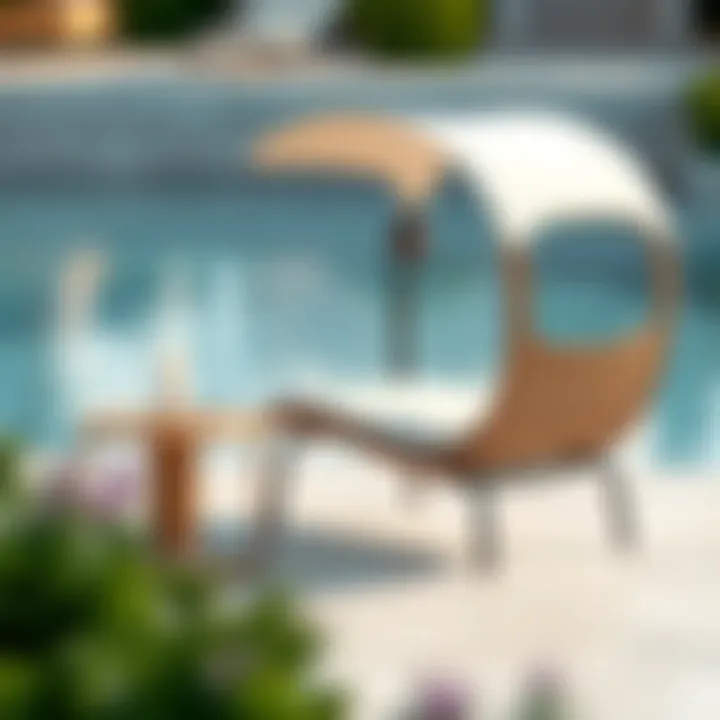
- Community Engagement: By providing comfortable seating, parks can attract more visitors. This leads to increased community interaction, fostering a sense of belonging.
- Durability and Maintenance: In public settings, selecting chairs made from weather-resistant materials is crucial. Regular maintenance programs ensure that these installations remain inviting and safe.
- Shade Provision: Given that parks are often exposed to sunlight, shade covers are vital. They protect users from harmful UV rays and allow for extended use of public spaces throughout the day.
Lounge chairs with shade covers in public parks create inviting environments that can significantly influence community interaction and well-being.
By understanding the unique aspects of lounge chairs in various settings, stakeholders can enhance their environments, promoting comfort and functionality while considering the aesthetic elements that tie the spaces together.
Market Trends and Innovations
In the world of outdoor furniture, lounge chairs with shade covers have evolved beyond mere comfort items into sophisticated solutions that meet the demands of diverse users. Observing the market trends sheds light on the innovations shaping these lounge chairs today, enhancing their functionality while meeting aesthetic and environmental considerations.
Emerging Designs
The landscape of lounge chairs is seeing a shift towards innovative designs that blend form and function. Designers are increasingly experimenting with organic shapes and modular configurations that can easily adapt to different environments. For example, lounge chairs now feature curvilinear designs made from sustainable materials that not only cater to ergonomic needs but also offer a more inviting look.
Additionally, color palettes have expanded, embracing earthy tones and vibrant hues to satisfy various taste preferences. These choices are driven by a desire to harmonize outdoor spaces with their natural surroundings, ensuring that every piece plays a pivotal role in enhancing a patio or garden's overall aesthetic.
- Material Innovations: Lightweight yet durable materials, such as recycled plastics and composite woods, allow for easy transportation and reduce the carbon footprint.
- Multi-functional Characteristics: Many new models also serve multiple purposes, such as doubling as tables or featuring storage compartments.
Technological Advancements
Advancements in technology have reshaped how these furniture pieces are designed and utilized. Smart technologies are becoming commonplace in outdoor furniture, making it possible for users to control aspects like shade and comfort with just a touch or voice command.
Smart Shade Solutions
This new wave of technology in lounge chairs focuses on incorporating automated shade mechanisms. These smart shade solutions come equipped with sensors that detect sunlight and reposition themselves as the sun moves throughout the day.
- Key Characteristic: This capability not only enhances user comfort but also protects cushion fabrics from fading.
- Advantages: The self-adjusting feature allows greater enjoyment of outdoor spaces without the hassle of manual adjustments, making them an attractive choice.
- Disadvantages: However, the reliance on technology can pose challenges, such as the need for batteries which may necessitate regular maintenance.
Integrated Comfort Features
Another standout trend is the emergence of integrated comfort features, which elevate the lounging experience to unprecedented levels. These features can include built-in massagers, heating elements, or advanced cushioning systems designed to provide ergonomic support while adapting to the user's body contours.
- Key Characteristic: The incorporation of memory foam and gel technologies, which allows for a tailored experience with each use.
- Advantages: This level of customization is not just a luxury but significantly enhances relaxation and promotes longer usage periods, especially in social settings.
- Disadvantages: On the flip side, the added features can increase the cost and complexity of the product, potentially deterring budget-conscious buyers.
"With these market trends and innovations, lounge chairs with shade covers are not just furniture; they are a testament to the craftsmanship and creativity that meet ever-changing user preferences and environmental consciousness."
In summary, the tides of innovation are compelling designers to rethink traditional lounge chair structures, breathing new life into their function and appeal. By acknowledging emerging designs and adapting to cutting-edge technological advancements, the industry is shaping a new narrative of outdoor living that emphasizes both comfort and responsibility.
Maintenance and Care
Maintenance and care for lounge chairs with shade covers is crucial for preserving their appeal and functionality. Over time, many factors like weather conditions, usage, and environmental influences can lead to wear and tear. Proper care ensures that these chairs remain not just visually appealing but also comfortable and supportive for their users.
Taking the time to maintain these lounge chairs can extend their lifespan significantly. Regular upkeep can prevent bigger issues down the line, saving money and hassle. Furthermore, outdoor furniture, particularly those with shade elements, can attract grime, mildew, and stains.
Cleaning Techniques
Keeping lounge chairs clean involves a few straightforward techniques depending on the materials used.
- Fabric Cushions: For upholstered cushions, remove them and vacuum them regularly to avoid dust buildup. A mild detergent mixed with warm water can be used to clean stains. Rinse thoroughly and let them dry completely to prevent mold.
- Wood Frames: Wooden structures may need a gentle wash with a soft brush and soapy water. Be sure not to soak the wood excessively. Once clean, applying a wood conditioner will help protect the surface from UV damage.
- Metal Components: For aluminum or steel parts, a damp cloth can remove dirt. If the metal is powder-coated, avoid abrasive cleaners that might scratch the finish. A periodic application of metal polish can keep them shining.
"Regular cleaning is not just about aesthetics; it plays a significant role in prolonging the life of your lounge chairs."
Protective Measures
Protecting lounge chairs with shade covers serves as a preventative strategy against the elements.
- Covers: When not in use, a quality cover can shield the chairs from dust, rain, or direct sunlight. Make sure they are breathable to prevent moisture buildup underneath.
- Placement: Positioning chairs strategically—such as under a permanent shade structure—can mitigate sun exposure, thus reducing fading and wear.
- Seasonal Storage: During harsh weather conditions, consider storing cushions or even the entire chair in a dry area. This will help avoid damage from snow, rain, or intense heat.
Additionally, keeping an eye on any immediate repairs needed—like loose screws or minor scratches—can make maintenance a lot easier. Being proactive can make a word of difference to the longevity and enjoyment of lounge chairs with shade covers.
Ending: The Future of Lounge Chairs with Shade Covers
Lounge chairs with shade covers are not just a passing trend; they represent a significant evolution in outdoor living. As we look to the future, it's essential to grasp not only the immediate benefits these chairs offer but also their long-term impact on our spaces. The marriage of comfort, style, and functionality highlighted throughout this article underscores why they are becoming a staple in modern outdoor environments.
One key aspect is the integration of sustainable materials in the future designs of these chairs. As eco-consciousness grows among consumers, manufacturers are recognizing the need for products that not only beautify spaces but also tread lightly upon the earth. This shift leads to innovations like recycled plastics and sustainably sourced wood, thus allowing users to feel good about their choices, beyond aesthetic appeal.
Moreover, the adaptability of lounge chairs is another aspect that propels them into a favorable light for future consumers. As our lifestyles evolve, so do our needs for outdoor furniture. The ability to easily adjust, retract, or modify shade covers based on varying weather conditions or personal preferences aligns well with busy lifestyles and changing climates.
"In an age where versatility is key, lounge chairs with shade covers stand out as an embodiment of dynamic home and recreational environments."
Accessibility and usability are paramount as well. Future lounge chairs are likely to feature technological integrations such as sun-tracking mechanisms or even automated shade systems that offer convenience with a simple touch. We've entered an era where the blending of comfort and tech is no longer a novelty but an expectation. Those advancements could bring about designs that accommodate individuals with diverse abilities, ensuring that everyone can enjoy outdoor lounging without barriers.
In summary, the future of lounge chairs with shade covers is painted with progress in both functionality and inclusivity. It is an exciting time for designers, managers, and architects to consider how these evolving products fit into outdoor spaces, as knowing the trajectory of these patterns can greatly influence purchasing and design decisions in the years to come.
Summary of Key Points
To wrap it up, several foundational points emerge from our exploration:
- Marrying Comfort with Style: Lounge chairs with shade covers provide an unmatched combination of relaxation and visual appeal, making them suitable for various settings, from residential gardens to commercial spaces.
- Sustainability Matters: Emphasis on environmentally friendly materials is growing, influencing design choices.
- Adaptable Features: Adjustable and automated mechanisms are becoming increasingly sought after to accommodate individual preferences and varying environmental conditions.
- Technological Integration: Enhancements like sun-tracking features promise to make lounging more accommodating and enjoyable.
Final Thoughts
Looking forward, it’s clear that lounge chairs outfitted with shade covers hold a promising position in the landscape of outdoor furniture. The advancements and considerations within this domain not only cater to current societal trends but proactively address future consumer needs. For professionals in design and management, this opens doors to craft spaces that reflect both contemporary aesthetics and functional foresight. As we embrace innovation while respecting tradition, lounge chairs with shade covers will continue to redefine outdoor relaxation and leisure, ensuring that we enjoy comfort while remaining connected to nature.