
Exploring the Harmony of Vanity Lights and Round Mirrors

Intro
When it comes to designing a space that resonates with both style and functionality, understanding the delicate interplay between various elements is key. Among these, vanity lights and round mirrors stand out as pivotal components, often seen together yet rarely explored in depth. This guide aims to unpack their relationship, offering a thorough exploration of how these two elements complement each other across a range of settings. Whether you are a designer, an architect, or a homeowner looking to elevate your space, this discourse will provide actionable insights and stylistic considerations that can enhance both aesthetic appeal and practicality.
As we journey through this article, we’ll delve into the synergy created when vanity lights meet round mirrors. From chic bathrooms to functional home offices, understanding how to effectively select and integrate these elements can drastically transform your environment. We'll discuss various furniture styles that harmonize with these features, explore ergonomic benefits, and ultimately, empower you to create spaces that are both beautiful and efficient.
Understanding Vanity Lights
Vanity lights play a pivotal role in interior design, particularly in spaces where aesthetics blend with functionality. They do not just illuminate a room; they also serve as decorative elements that set the mood and tone. In examining how vanity lights interact with round mirrors, it's essential to consider various aspects such as their design, placement, and the ambiance they create.
Definition and Purpose
Vanity lights, at their core, are fixtures designed to provide light in places like bathrooms or dressing areas. Their primary purpose is to enhance visibility, especially for activities like grooming or makeup application. However, they also contribute to the overall aesthetic of the space, highlighting features of the room and adding style.
Types of Vanity Lights
Different types of vanity lights can transform a space tremendously.
Wall-mounted Fixtures
Wall-mounted fixtures are the champions of flexibility. They can be installed in ways that maximize their effect, whether positioned above or beside a mirror. One significant characteristic of these fixtures is their ease of installation; they often require less complex wiring compared to other lighting options, making them ideal for renovations or small spaces. One unique feature of wall-mounted lights is their ability to create shadows that can enhance certain features without overpowering the entire room. Still, if not correctly installed, they can lead to unflattering lighting angles that may affect an individual's appearance.
Chandeliers
Chandeliers are synonymous with elegance and grandeur. These lighting fixtures can serve as striking focal points while providing ample illumination. Their key characteristic lies in their dramatic presence, often serving as art pieces themselves that captivate attention. The unique feature here is the ability to combine design with function—many chandeliers are designed to disperse light widely and evenly. However, they may not always be the best choice for smaller bathrooms where space is limited, as they can overpower a room.
LED Strip Lighting
LED strip lighting has gained popularity for its versatility and aesthetics. These strips can be placed in various locations, such as behind mirrors or under cabinets, allowing for creative and modern design solutions. Their key characteristic is energy efficiency; they produce less heat and consume less power compared to traditional bulbs. A unique feature of LED strips is their ability to change colors, which can set different moods in a space. On the downside, if not carefully installed, they might not provide adequate task lighting for detailed work like makeup application,
Backlit Mirrors
Backlit mirrors seamlessly combine function with flair. They illuminate the user without casting harsh shadows, allowing for a clear reflection. The essential characteristic of backlit mirrors is their soft, even glow, which can transform a mundane area into a luxurious retreat. A distinct feature is their capability to enhance the perceived size of a space—by softening edges, they invite the eye to travel around the room. Some downsides include potentially higher costs or complicated installation processes, but the resulting ambiance often outweighs these concerns.
Importance of Lighting in Makeup Application
Proper lighting is crucial for makeup application. Insufficient or harsh lighting can lead to unsatisfactory results, as colors appear different under various light sources. Hence, having the right type of vanity lights is a necessity. Their placement relative to a mirror can affect how shadows are cast on the face, which is vital for achieving the flawless look many desire. In essence, thoughtful consideration of lighting can truly elevate the experience and outcome of personal grooming.
Characteristics of Round Mirrors
Understanding round mirrors, their various traits, and how these features intersect with vanity lighting is paramount in creating a pleasing environment. A round mirror is not merely a functional item; it serves aesthetic purposes, too. By examining their characteristics, one can enhance both the visual appeal and utility, making them a critical aspect in any well-designed space.
Design Variations
Framed vs. Frameless
When it comes to choosing between framed and frameless mirrors, aesthetic preference often plays a significant role. Framed mirrors come with a rimmed border, usually made of materials like wood or metal which adds a touch of elegance. This feature not only enhances the look but provides a bit more durability. On the other hand, frameless mirrors offer a more minimalist appearance that tends to blend seamlessly into the wall, creating the illusion of spaciousness. The choice between the two reflects one's style; framed mirrors are often perceived as classic and warm, while frameless mirrors lend a contemporary vibe. When marrying these mirrors with vanity lights, ones can achieve an inviting ambiance with framed mirrors, whereas a frameless mirror might skew towards academic modernity, providing a sleek backdrop for strategic lighting placements.
Different Materials
Materials play a crucial role in the durability and aesthetic of round mirrors. A glass mirror can achieve a reflective clarity that appeals to many, whereas mirrors made from acrylic might be a lighter and more shatter-resistant alternative, especially suitable for families with younger children. Metallic frames offer an industrial edge, while wooden frames can exude rustic charm. Each material carries its own vibe and purpose: glass, for a more classic look; acrylic for functional spaces; and metal or wood to create emotion. The key characteristic of material is that it directly influences the mirror's lifespan and integration with surrounding décor.
Surface Finishes
Surface finishes can dramatically affect the interaction between a round mirror and surrounding elements, especially vanity lights. A polished finish reflects light efficiently, creating a bright, airy feel in a room. Conversely, a matte finish can softly diffuse the light, lending a more subdued atmosphere. This element of design not just adds allure but also contributes to the overall mood of the space. Choosing the right finish is essential; for instance, in a spa-like bathroom, a matte surface could reinforce relaxation.
Functional Attributes
Size and Scale Considerations
The size of a round mirror is a vital consideration in ensuring it harmonizes with both the space and the vanity lights. A larger mirror can create depth and enhance light reflection, making small areas feel more expansive. However, a mirror too big for a space can overwhelm. A key point to consider is scale—the mirror must relate proportionately to both the wall and the light fixtures. As a best practice, aim for mirrors that are about two-thirds the width of the vanity underneath it. This balance can significantly impact visual appeal and functionality.
Reflective Qualities
Reflectivity is arguably the most characteristic feature of any mirror, but its quality varies. High-quality glass can ensure clear, undistorted reflections, which is particularly crucial when applying makeup or grooming. Notably, a mirror’s reflective quality will also directly impact how light is perceived within the space. A mirror that amplifies light will make colors appear brighter, which is beneficial in spaces where vanity lights are used for makeup application or other detailed tasks. Thus, ensuring the right reflective quality can turn a mundane area into a brightly lit haven.
Space Enhancement
Round mirrors serve a dual purpose: they function to reflect light but also to enhance the surrounding space. The circular shape can soften the linear lines of a room, creating balance. They can help in visually ‘opening up’ confined spaces, making them feel larger and airier. By reflecting existing light sources, particularly from well-placed vanity lights, a round mirror not only adds elegance but also enriches the overall atmosphere of any interior. This feature makes them unquestionably appealing for both practical and aesthetic purposes.
"Mirrors are just as important as the lighting around them, and the right combo can lead to remarkable transformations."
In sum, the characteristics of round mirrors—ranging from varied designs, materials, and finishes to their size, reflective qualities, and space enhancement capabilities—underscore their importance as both functional and artistic elements. When thoughtfully combined with vanity lights, they elevate any environment, creating cohesion and beauty.
Aesthetic Considerations for Mixing Vanity Lights and Round Mirrors
The relationship between vanity lights and round mirrors plays a crucial role in interior design. When these two elements are harmoniously combined, they create an inviting and functional space. This section delves into essential aesthetic considerations that ensure the pairing not only enhances the visual appeal of a room but also serves its practical purpose effectively.
Color Schemes
Choosing the right color scheme can significantly affect how vanity lights and round mirrors interact in your space. Different hues can create various moods, affecting perception and ambiance.
- Warm Colors: Using vanity lights with warm tones can foster a cozy atmosphere. When paired with a round mirror surrounded by warm, earthy colors, the entire area feels more inviting.
- Cool Colors: Conversely, cooler tones in both lighting and mirrors can evoke calmness and tranquility. Perfect for bathrooms or relaxation areas, the combination can create a serene environment.
- Neutral Palettes: Neutral shades provide flexibility, allowing the vanity lights and round mirrors to complement rather than compete with other design elements in the room.
Careful thought into your color choices assures that the features either bring out the unique aspects of your design or unify the overall picture without conflicting elements.
Styling to Complement Interior Decor
The way you style vanity lights and round mirrors can be as varied as it is essential. Each design style introduces unique characteristics that can enhance how these elements work together.
Modern
In modern design, simplicity and functionality take center stage. The key characteristic of modern aesthetics is clean lines and minimalistic features. This style lends itself well to round mirrors that avoid intricate frames, allowing the mirror itself to stand out. Modern vanity lights, such as sleek, straight fixtures or geometric hanging lights, can align perfectly without overloading the space.
The unique feature of modern lighting is its focus on understated elegance. It can be a beneficial choice in a contemporary home, where less truly is more. However, the disadvantage of modern styling is that it may lack warmth, which is vital to creating a cozy environment.
Traditional
Traditional styling pulls from rich history, often marked by ornate decorations. This design style emphasizes symmetry and detail, making it a popular choice for round mirrors framed with intricate wood or metal detailing. Vanity lights in traditional styles often feature soft lines and romantic fixtures that enhance the inviting ambience.
The distinct characteristic of traditional design is its timelessness, which means it can pair effectively with numerous interior elements. Still, one potential drawback is that it can come off as dated without careful modernization.
Industrial
Industrial design shines a light on raw materials and unrefined aesthetics—think exposed bulbs and aging finishes. This approach resonates well with round mirrors featuring metal designs that align with an industrial feel. The defining quality here is a rugged charm that carries character. Vanity lights such as Edison bulbs work beautifully in this context, giving a nod to history while adding flair.
However, one needs to be cautious with the industrial look. It can easily tip into chaotic if the elements aren't balanced, making coherence key.
Minimalist
Minimalism is all about "less is more", emphasizing simplicity and functionality. The funds in this category often exhibit simple circles in round mirrors, devoid of any ornate detailing. Minimalist vanity lights complement this with understated designs that keep the focus on the mirror.
This approach to design offers clarity and peace, which can be fantastic for smaller spaces. Yet, the potential shortcoming lies in the risk of making a space feel sterile if not approached thoughtfully.
A well-coordinated balance of these styles not only elevates the aesthetic quality of a space but also ensures functionality remains front and center.
As you explore how to mix vanity lights and round mirrors, keep these aesthetic considerations in mind. They will help guide you toward creating beautifully cohesive spaces that captivate and delight.
Lighting Techniques for Round Mirrors
When it comes to enhancing the functionality and aesthetics of round mirrors, the right lighting techniques play an essential role. The interplay of light and reflection can drastically alter the atmosphere of a space, making it crucial to understand how to effectively utilize different lighting methods around these mirrors. With a solid grasp of lighting techniques, designers and homeowners can ensure that their spaces not only look good but also serve their purpose effectively.
Task Lighting vs. Ambient Lighting
Task lighting is focused illumination aimed directly at an area where specific tasks will be performed, such as applying makeup or grooming. This type of lighting is vital when situated near vanity mirrors, as it provides the clarity needed to see details clearly. Using voltage specific fixtures, such as wall-mounted sconces or small chandeliers, can create optimal light conditions. The following aspects should be considered when using task lighting:
- Brightness: It should be bright enough to illuminate your face without creating harsh shadows.
- Color Temperature: A warmer color temperature between 3000K and 4000K often works well, mimicking natural daylight, which is beneficial for applying makeup and other grooming tasks.
- Positioning: Mounting lighting at face level helps avoid unwanted shadows, which can distort one's appearance.
On the other hand, ambient lighting serves to create an overall glow in a room, giving it depth and ambiance. This type of lighting indirectly supports the functional task by softening the harshness of task lights. When done right, it can surround the mirror with a soothing light that elevates the design of the space. Here’s what to keep in mind:

- Layering: Use multiple light sources to achieve a balanced atmosphere, such as ceiling fixtures combined with the light from the mirror itself.
- Dimming Options: Having dimmable fixtures allows flexibility to increase or decrease light levels based on time of day or mood, thus enhancing comfort.
- Reflections: Be mindful of the positioning of ambient lights in relation to the mirror, as reflections can sometimes overwhelm or create unusual effects.
"A well-placed round mirror paired with the right lighting can transform even the dullest of spaces into a vibrant haven."
Optimal Placement Strategies
Placement is everything when it comes to lighting around round mirrors. Getting it right not just enhances the functionality but also elevates the visual appeal of the setup. Here are a few strategies to think about:
- Height Matters: Ensure that your light fixtures are mounted at a height where they can effectively illuminate your face without being too high or intrusive. For most people, aiming for about 65-70 inches from the floor is advisable, depending on personal height and preferences.
- Symmetry is Key: Placing identical fixtures on either side of the mirror brings balance to the design. This symmetrical approach reduces shadows and highlights your reflection uniformly.
- Distance: The distance between the mirror and lighting should be around 36 to 40 inches. This space allows the light to spread adequately and reach the intended target without blinding reflections.
- Utilize the Space: Positioning lights strategically on either side or above the mirror can draw attention and create an inviting atmosphere. Consider the use of lighting that complements the round shape of the mirror, such as circular fixtures or lamps that echo its form.
- Accent the Area: If the mirror is a focal point, using accent lighting underneath shelving or above counters can set it apart and enhance the overall design aesthetic.
By implementing these lighting techniques alongside proper placement strategies, round mirrors can truly shine in both style and function, making them valuable assets in any interior space.
Selecting the Right Vanity Light Fixtures
Choosing the right vanity light fixtures can make a world of difference in your space. Not merely about style, it’s actually a key component in enhancing both functionality and aesthetics of a room. The interplay between vanity lights and round mirrors is particularly crucial when it comes to achieving the right ambiance for any interior, whether in a residential bathroom or a commercial space.
When selecting fixtures, there are several elements that deserve careful consideration. For one, the size and scale of the fixtures should harmonize with both the mirror and the surrounding area. This ensures that the lighting is not overwhelming nor underwhelming; it must complement the space without overpowering it. Secondly, the energy efficiency of the lighting is worth its weight in gold. In today's climate, where sustainability is the name of the game, prioritizing energy-efficient options can yield long-term savings on energy bills and contribute to environmentally sound practices.
Each fixture brings its personality to a space, and understanding how to match these characteristics with the needs of your room is essential. The right vanity light can create the ideal conditions for grooming tasks, enhance decorative features, and even set a mood. With the right balance of form and function, spaces can be transformed from just aesthetically pleasing into truly engaging environments.
Size and Scale of Fixtures
When it comes to size and scale, the first step is measuring the space where the fixtures will go. A common misstep many make is choosing lights that are either much too large or too small for their mirror and surrounding areas. For instance, a large round mirror may lose its elegance next to dainty light fixtures, while oversized wall sconces could dwarf a small vanity.
General guidelines to follow include:
- Width of the Vanity: A good rule is to choose fixtures that add up to about two-thirds of the width of the vanity. This can create a unified look.
- Height of the Ceiling: High ceilings allow for taller fixtures or chandeliers that can add drama, while lower ceilings require more streamlined options.
Ultimately, the aim is a balanced look that feels intentional. Lighting should not only serve a purpose; it should also be a key part of the décor.
Energy Efficiency Considerations
In today’s world, energy efficiency isn’t just a feature; it’s a necessity. Select vanity lights that come with LED technology. LED bulbs not only consume less electricity, but they also have a much longer lifespan than traditional incandescent options. With energy costs on the rise, making this switch can translate into noticeable savings on utility bills over time.
Additionally, look for fixtures that are labeled as energy star certified. This label can be your best friend when determining the efficiency and sustainability of lighting fixtures. Many modern options also come with dimmers, allowing you to adjust the brightness according to the needs of the moment—this versatility takes energy conservation one step further.
Choosing energy-efficient fixtures does not only benefit the environment; it can also boost your overall design concept, creating an inviting space without environmental guilt.
Incorporating both aesthetic elements and energy-wise features into your fixture selection process ensures a choice that shines bright, in both senses of the word. By weaving together thoughtful design choices and sustainability considerations, you create a cohesive atmosphere that resonates well in any space.
Installation Tips for a Cohesive Look
The intersection of vanity lights and round mirrors isn’t just an aesthetic pairing; it’s also about creating a harmonious atmosphere in your space. When properly installed, these elements can enhance your overall interior design, providing both functionality and style. Ensuring that your vanity lights and mirrors work well together involves a few critical considerations, including installation height and proper electrical setup. \
Height and Spacing Guidelines
Achieving the right height for vanity lights and round mirrors is paramount. This not only influences the visual appeal but also the practicality of use, especially in spaces where make-up application is key.
- Eye-Level Placement: A standard rule of thumb is to mount your vanity lights at eye level, which typically translates to about 65 to 70 inches from the floor. This height minimizes shadows on the face and provides optimal lighting for grooming tasks.
- Spacing Between Fixtures: If you are using multiple light sources, such as flanking both sides of the mirror, placing them 36 to 40 inches apart can create an even distribution of light. Avoid cramping them too close to maintain a clean look.
- Balance with the Mirror Size: The sizing of your round mirror impacts height decisions too. A larger mirror might require the lights to be positioned slightly higher, around the top third of the mirror to ensure proportion.
For example, a 30-inch diameter mirror would look balanced with lights spaced evenly apart and affixed at about 65 inches off the ground. \
Electrical Considerations
Integrating electrical components comes with its own set of knowhows. It's essential to ensure not only that the fixtures function correctly, but also that they are safe and compliant with building codes.
- Wiring Requirements: It’s wise to hire a licensed electrician to handle the wiring, especially in areas with moisture like bathrooms. They can ensure that the wiring is up to code, preventing future problems like short circuits or overloading.
- Switch Placement: Positioning the switch in a location conveniently close to the vanity can elevate user comfort. Ideally, it should be within arm's reach when standing in front of the mirror.
- Light Bulb Choices: Select bulbs suited for your lighting needs. For task lighting, opt for bulbs in the 3000K to 4000K range, which typically emit a nice bright light that resembles daylight, aiding in detail-oriented tasks like applying makeup.
"Good light will make or break the use of your mirror and fixtures, so it’s vital to consider both placement and electrical safety when making your choices."
Taking the time to plan these elements thoughtfully not only makes for a functional installation but also enhances the aesthetic unity of your space. Every inch and light placement detail contributes to the gleaming success of your design paradigm.
Innovative Trends in Vanity Lighting
In the realm of interior design, especially when it comes to spaces like bathrooms and dressing areas, vanity lighting plays a crucial role. Trends in this area are not merely passing fads; they represent a significant shift towards more functional, aesthetically pleasing, and sustainable lighting solutions. This section will delve into two key trends: the rise of smart lighting solutions and the use of sustainable materials.

Smart Lighting Solutions
The integration of technology into everyday living spaces has revolutionized how we approach lighting. Smart lighting solutions, equipped with features like remote control, voice activation, and programmable settings, are increasingly becoming the norm rather than the exception. These systems offer homeowners heightened control over their environments.
The benefits are manifold:
- Convenience: Homeowners can adjust lighting from anywhere—whether they’re at home or away—by simply using their smartphones.
- Mood Settings: With the ability to change brightness and color temperature, individuals can tailor their lighting according to the time of day or specific activities, which is particularly useful during makeup application or grooming.
- Energy Efficiency: Smart lights can be programmed to turn off when not in use, significantly cutting down on unnecessary energy waste.
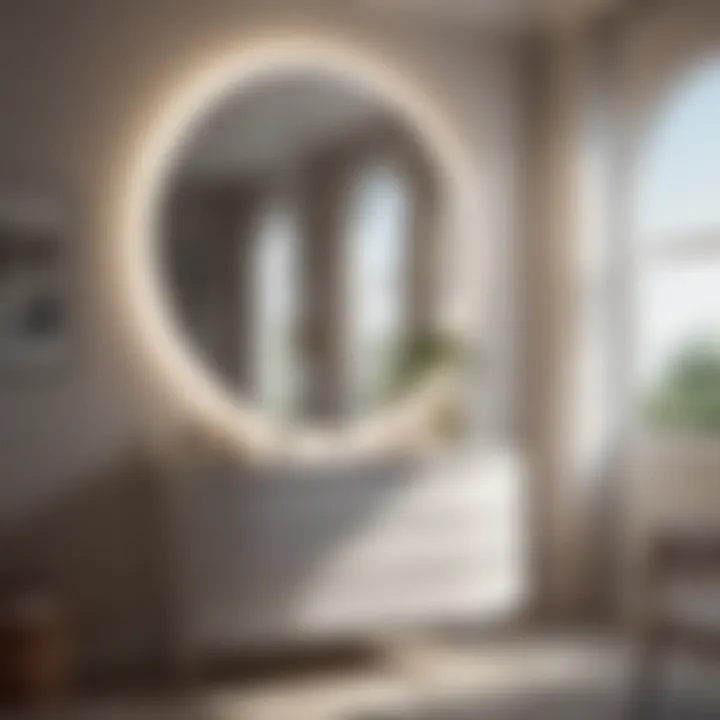
Some systems sync with round mirrors, providing a halo effect that adds an ethereal glow, making vanity spaces more appealing. As IoT technology continues to advance, the possibilities for integration and control over lighting will keep expanding. Homeowners and designers alike are encouraged to explore these innovations for effective illumination.
Sustainable Materials
Another notable trend is the shifting focus on sustainable materials in vanity lighting fixtures. With an increasing awareness of environmental issues, consumers are seeking products that not only perform well but also tread lightly on the Earth.
Here are some reasons why this trend is gaining momentum:
- Eco-friendliness: Fixtures made from recycled or sustainable sources reduce waste and lessen the carbon footprint of a home.
- Longevity: Many sustainable options—think LED systems—last longer than traditional bulbs, meaning fewer replacements and less waste overall.
- Stylish Yet Responsible: Designers are finding innovative ways to incorporate these materials without sacrificing aesthetic appeal. For instance, bamboo or reclaimed wood in a vanity light blends organic beauty with modern design sensibilities.
Incorporating sustainable materials not only aligns with ecological values but can also enhance the overall look and feel of a space. More audiences are now looking for responsible design choices that are both stylish and mindful of the environment.
"Lighting design is no longer just about brightness; it's about enhancing spaces in environmentally conscious ways."
In summary, the trends towards smart lighting and sustainable materials provide strong examples of how vanity lighting is evolving. For designers, architects, and homeowners, keeping an eye on these innovations is essential for creating stylish, functional spaces that embrace the future.
Case Studies: Effective Combinations
The exploration of case studies is an indispensable part of this article as it grounds abstract concepts into tangible examples. This section reveals the actual impact that thoughtfully chosen vanity lights and round mirrors can have on both aesthetic appeal and functionality in diverse environments. By analyzing various applications, designers and architects can glean insights into how these elements can be synergized to enhance spaces successfully.
Residential Applications
In residential settings, the integration of vanity lights with round mirrors reveals a realm of possibilities for personal expression and functionality. A well-lit bathroom is not merely a convenience; it significantly raises the quality of the everyday experience. For instance, a master bathroom showcasing a large round mirror illuminated by wall-mounted fixtures on either side creates a balanced light source that minimizes shadows. This setup not only elevates the aesthetic of the space but also provides the necessary illumination for daily grooming tasks.
Another admirable example can be found in a chic, urban apartment where a round mirror is framed in reclaimed wood, hanging above a vintage vanity. Here, the juxtaposition of modern LED strip lighting around the edge adds a contemporary flair while ensuring adequate lighting without overwhelming the rustic charm.
The benefits of thoughtful pairings in residential applications extend beyond just lighting and design; they can foster a sense of tranquility and reflection. Spaces like these become arenas for relaxation and rejuvenation, where good lighting contributes not just to functionality but enhances the overall ambiance.
Commercial Spaces
When it comes to commercial spaces, the combination of vanity lights and round mirrors extends its influence into branding and customer experience. Take, for instance, a high-end salon where round mirrors with integrated backlit features create an inviting atmosphere. By using adjustable brightness settings in the vanity lights, clients can experience tailored lighting that flatters their complexion— an essential factor when considering cosmetic services. This not only promotes the salon as a stylish establishment but creates a memorable experience, encouraging repeat business.
In a clothing store, strategically placed round mirrors paired with bright, even vanity lighting play a crucial role in customer satisfaction. However, it's not just about aesthetics; it’s also about the psychology behind shopping. Well-lit mirrors encourage customers to try on clothes and see themselves in flattering lighting, effectively boosting confidence and sales.
In both residential and commercial settings, the thoughtful intersection of vanity lighting and round mirrors reflects deeper trends in design—trends where practicality often finds harmony with stylish presentation. Understanding these applications can guide professionals and enthusiasts alike to make informed decisions that will not only enhance visual appeal but also promote functional benefits in their spaces.
"In design, practical elements often coexist with artistic vision, creating spaces that are not just seen but felt."
Through these case studies, the importance of blending functionality with visual strategy in lighting design becomes abundantly clear, guiding us towards a more thoughtful approach when choosing the elements that shape our everyday spaces.
Epilogue and Future Considerations
As we wrap up this comprehensive exploration, it is clear that the relationship between vanity lights and round mirrors goes far beyond mere aesthetics. Understanding this intersection is crucial for designers and architects alike, as it influences both the functionality and ambiance of a space. This section serves as a crucial checkpoint, summarizing the unique insights gained throughout the article and providing a glimpse into future design aspirations.
The benefits of integrating vanity lights with round mirrors are multifaceted. Not only do they enhance the visual appeal of a space, but they also improve utility. Properly placed, vanity lighting can significantly influence makeup application, while a round mirror can add a sense of depth and balance to a room. This simple combination can elevate a basic bathroom or dressing area into a sophisticated sanctuary.
Recap of Key Insights
- Design Synergy: The harmonious blending of shapes and light can produce not just a look, but an experience.
- Style Variations: Different light fixtures, from wall-mounted options to luxurious chandeliers, cater to a variety of interior styles, making this combination universally versatile.
- Practical Applications: Successful installations rely on understanding the purpose of lighting in a given space, acknowledging that different tasks require different kinds of illumination.
- Future Trends: Trends point toward smart lighting solutions and sustainable materials, paving the way for more efficient and environmentally friendly designs.
This recap highlights that understanding the interplay between these two components is not just beneficial, but rather essential for creating well-thought-out designs that resonate with users.
The Evolving Landscape of Lighting Design
The landscape of lighting design is constantly changing, influenced by technological advancements and evolving aesthetic preferences. Today, following the mantra of functionality meets form, we observe a shift toward a more holistic approach—including stylish lighting fixtures that can enhance or redefine a space's character.
The rise of smart home technologies is an undeniable factor in shaping how we view lighting and mirrors today. With the integration of LED strips and backlit mirrors, the interplay between light and reflection has reached new heights. Imagine a round mirror that not only reflects but also adjusts its brightness based on the time of day or the activity at hand. This not only reflects a growing need for personalized spaces but also signifies a broader demographic shift towards enhancing user experience in design.
Moreover, sustainability remains at the forefront of discussions in design. The choice of materials—be it sleek metal finishes or eco-friendly wood frames—plays a role in determining the environmental footprint of any design. As consumers become increasingly conscientious about their choices, designers must adapt by integrating these considerations into their overall approach, creating spaces that are both beautiful and responsible.
"Design is intelligence made visible." — Alina Wheeler.
In summary, while the combination of vanity lights and round mirrors has long been marked by stylistic considerations, the future beckons designers to look beyond surface aesthetics. By leveraging technology, embracing sustainability, and focusing on functionality, the possibilities are limitless. The journey ahead is not merely about making spaces look appealing but rather creating environments that serve their inhabitants well into the future.